
Home EV chargers in Perth, installed like it matters.
A hardwired charger on its own circuit. The right cable, the right RCD, the right position for your car. No shortcuts, no orange extension cords across the driveway.
Start here
Buying an EV is the easy part.
Delivery day arrives, you park it in the driveway, and the mobile charger that came in the boot starts pulling from the same powerpoint that runs your fridge. It works. It also runs hot, adds about 10 km of range an hour, and quietly ages your wiring.
A dedicated home charger fixes that. It runs on its own circuit, sized for continuous load, protected by the correct RCD, and controlled by an app that lets you schedule to off peak or match your solar.
The install itself is not complicated. Getting the details right is what separates a job that lasts twelve years from one that trips the board every second Sunday.
How it actually works
7kW, 11kW, 22kW. What the numbers mean for your car.
Charge speed at home is capped by two things: what your car will accept on AC, and what your house can deliver.
- 7kWSingle phaseThe default for most Perth homes
Adds around 40 to 50 km per hour. Takes a Model Y from 20% to full overnight, roughly ten hours. Cheapest install, and it covers the way most people actually drive.
~45 km per hour - 11kWThree phaseSweet spot if you already have three phase
Adds around 65 km per hour. Worth the jump when the supply is already at the board, and it is the honest answer for two EV households sharing one charger.
~65 km per hour - 22kWThree phaseOnly if your car accepts it
Adds around 130 km per hour. Tesla, Renault Zoe and Polestar take it. Most others cap at 11 kW on AC, so the extra speed sits unused unless you drive long distances daily.
~130 km per hour
Before anything gets mounted
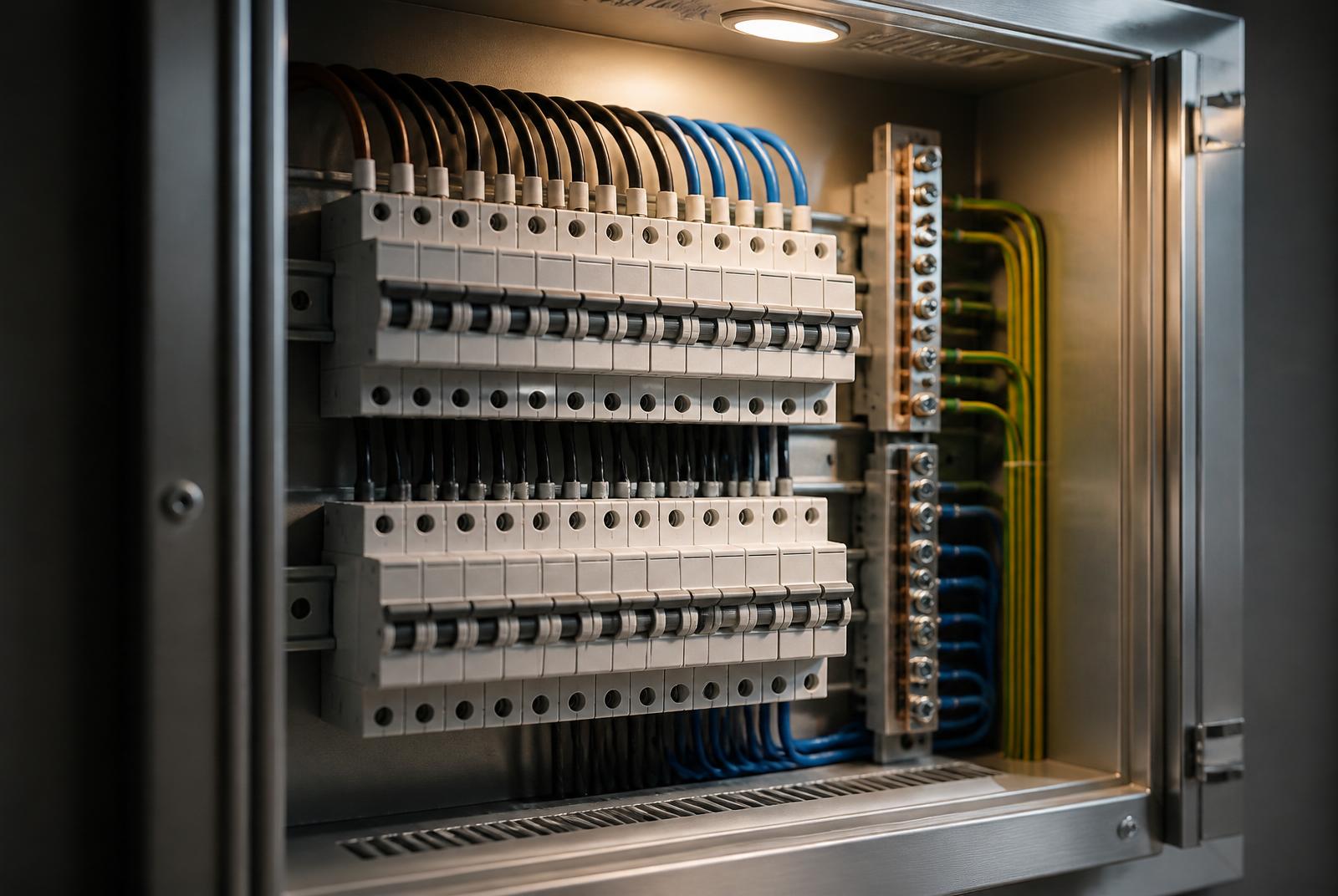
Your switchboard decides most of the job.
Nine out of ten surprises on an EV install come from the board, not the charger. Here is exactly what we look at when you send through your two photos, and what each finding means for your quote.
Spare capacity
Most Perth homes sit on a 63A single phase supply. A 32A charger is a big chunk of that, so we check what your air con, oven, pool pump and hot water already pull at peak. If it is tight we set a load limit or fit dynamic load management instead of upgrading your supply.
Board condition
Ceramic fuses, no main switch, rewireable carriers or a single shared RCD all mean the board predates current standards. Adding an EV circuit to that is where quotes jump. A board upgrade is usually a half day and it fixes safety issues you already had.
RCD protection
EV charging can produce smooth DC leakage that a standard Type A RCD will not detect. AS/NZS 3000 requires either a Type B RCD or a charger with built in 6 mA DC fault detection. We fit whichever the unit calls for, never a workaround.
Western Power notification
Anything over 20A gets notified, and load that pushes past your allocated supply needs approval before install. We lodge it. You never see the form. If approval would slow things down, load management usually removes the need entirely.
Hardware
The home chargers we actually recommend.
Every unit we install carries full manufacturer warranty and the same code required protections. What changes is the app, the solar behaviour and how well it ages outdoors in Perth.
 Tesla certified
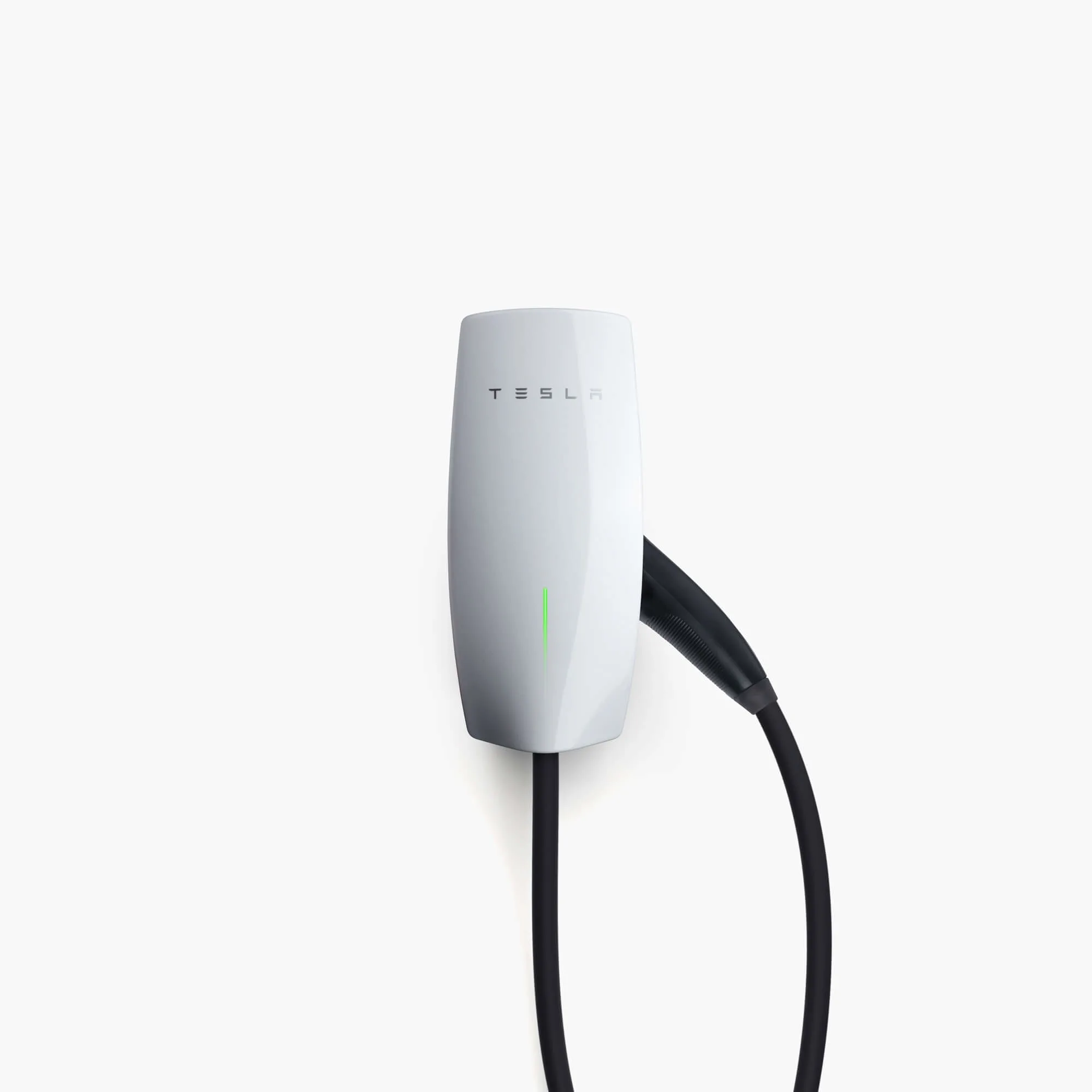
Wall Connector Gen 3
Best for
Tesla households and multi-EV driveways that want native app control and firmware straight from Tesla.
View product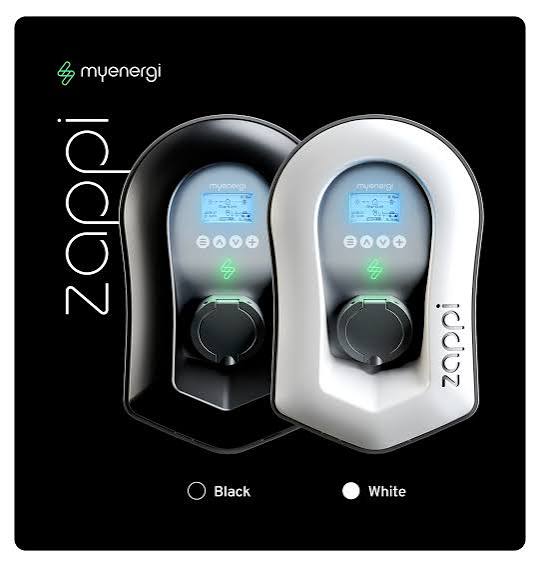 Solar diverting
Zappi 7 kW
Best for
Any single-phase Perth home with rooftop solar looking to squeeze every free kWh into the driveway.
View productThree-phaseZappi 22 kW
Best for
Homes on 3-phase power running a mid-to-large battery EV, Kia EV9, Model X, ID.Buzz, Polestar 3.
View product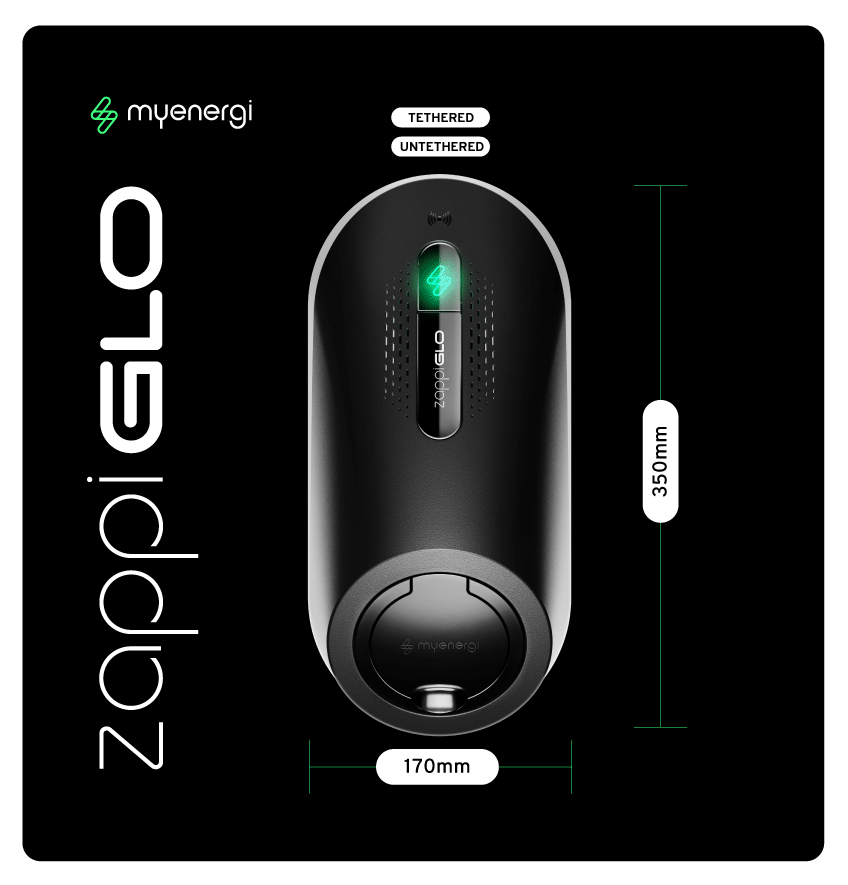 New for 2026
Zappi GLO
Best for
Front-of-house installs where the charger is on show.
View product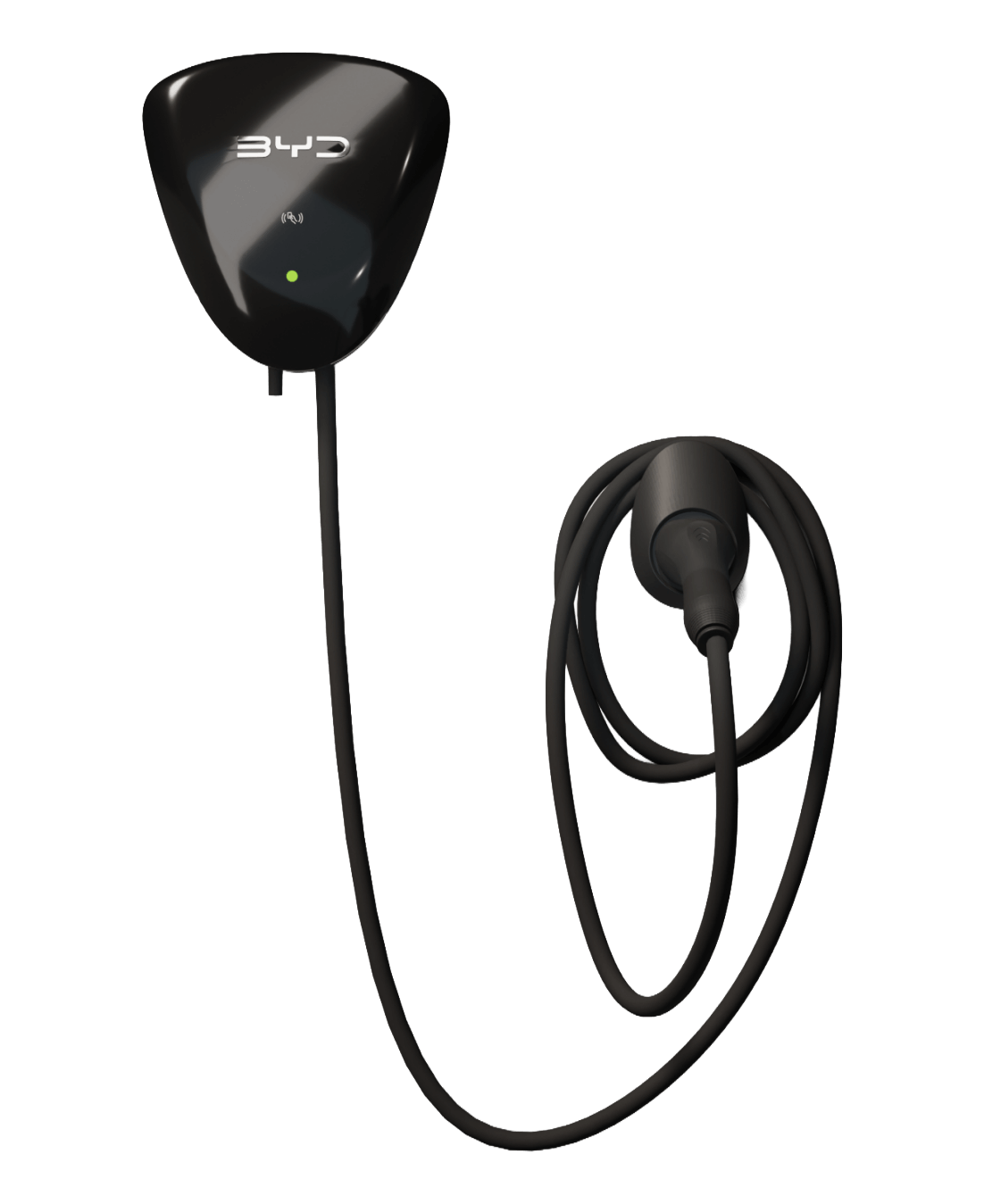 OEM match
Home Wall Charger 7 kW
Best for
BYD owners who want a matched-brand install with a single app across car and charger.
View product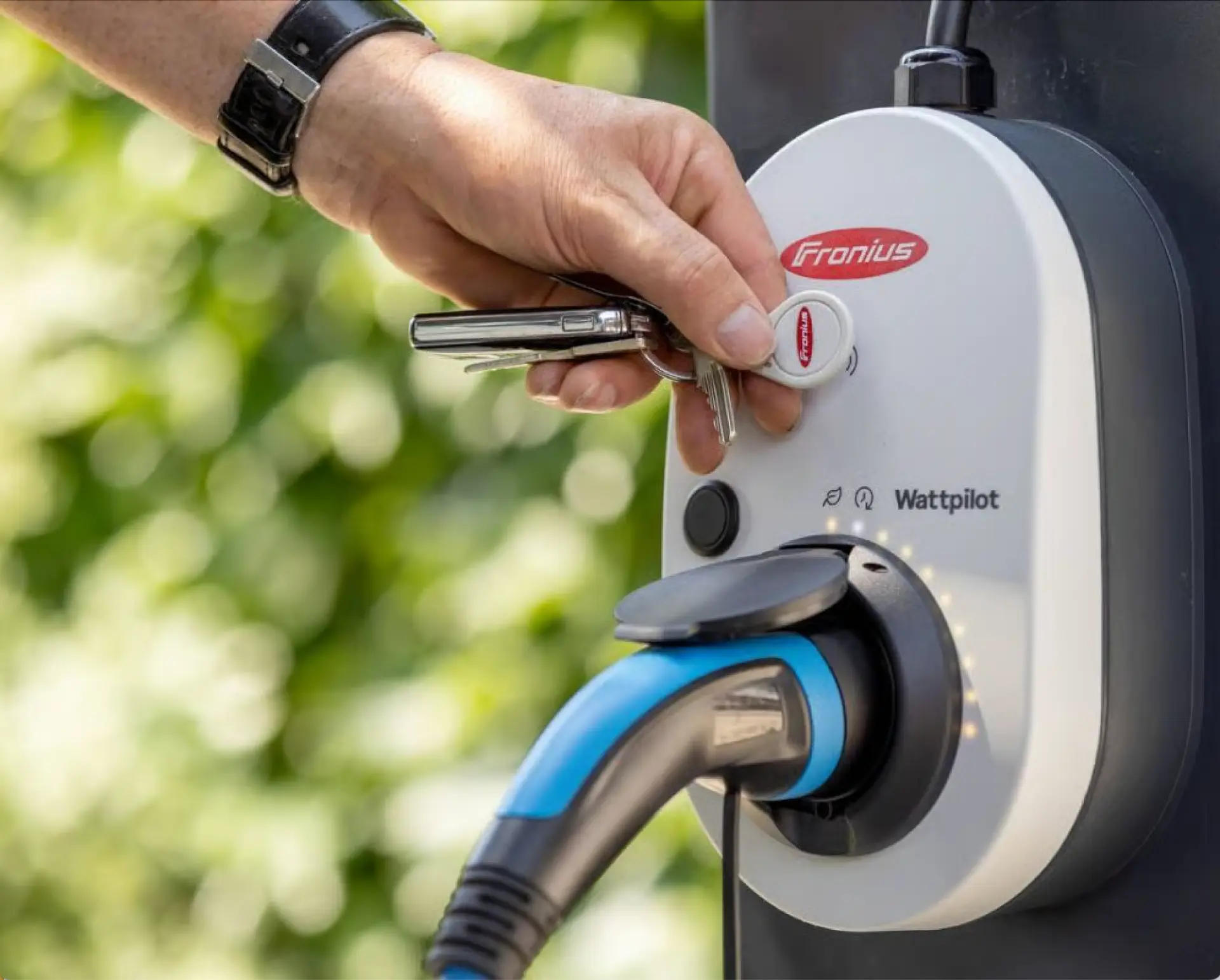 Solar integrated
Wattpilot Home 22 kW
Best for
Homes already running a Fronius inverter or GEN24 hybrid.
View productThe install
Four hours on site. Twelve years of clean charging.
Most home installs run a dedicated cable from your switchboard to the wall you want the charger on, sink a new breaker and Type B RCD into the board, mount the unit at plug height for your car, and commission through the manufacturer app before we leave.
- Dedicated cable sized for continuous 32A load, not shared with anything.
- Type B RCD to protect against the DC leakage EVs are capable of producing.
- Labelled breaker in the board so the next sparky knows what it feeds.
- Conduit run flush to walls, or trenched to depth if the cable crosses landscaping.
- App pairing, load limit set to your supply, handover walk through with you.
The maths
What home charging in Perth actually costs to run.
A Model Y holds 75 kWh. Fill it on peak grid power and you spend about $22. Fill it on the Synergy EV Add On overnight and it drops to around $6. Fill it from excess solar and you replace an export that was earning you less than $2 in feed in credits. Same car, same range, wildly different bill.
A smart charger schedules those windows automatically. Set it once and forget it.
Run your own numbers
What you would stop paying at the bowser.
Slide in your weekly kilometres and current fuel price. The calculator compares petrol against off peak home charging in Perth.
What you stop spending on fuel.
Set your weekly kilometres and where you charge.
Estimated yearly saving
Estimate only. Based on $2.05/L at 8.5 L/100km against 16 kWh/100km at $0.05/kWh.
Getting it right
Where the charger goes matters more than people expect.
Charge ports live in different places on every car. A Tesla takes it on the rear left, a BYD Atto 3 on the front right, a Kia EV5 up front centre. Mount the unit on the wrong wall and every single charge becomes a cable stretched across the bonnet.
We work it out before we drill. Where you park, whether you reverse in, which way you would park a second EV later, and how far the tether actually reaches once it drops from the wall. A 5 metre lead sounds long until it has to arc over a driveway.
Tethered is the daily convenience pick. Socketed keeps the unit small and lets you swap cable lengths, which suits carports and shared driveways.
West facing walls cook in summer and coastal suburbs eat cheap plastics. We put IP65 or IP66 rated units on exposed walls and keep lower rated gear undercover.
Roof space, eaves, surface conduit or trenched under paving. The route changes the price, so we confirm it on the design call, not on install day.
If a second EV, a battery or a bigger solar array is coming, we size the circuit and leave the board space for it now instead of redoing the run later.
If you have panels
Solar changes which charger you should buy.
A solar diverting charger reads live export at your switchboard and pushes only surplus energy into the car. With WA feed in tariffs down around 2 c/kWh in the middle of the day, every kilowatt hour you self consume is worth far more in the car than on the grid. If you have solar, read the solar guide before you choose hardware.
Read the solar charging guideFour steps from enquiry to first charge.
Answer eight questions online and upload two photos of your switchboard. Fixed quote emailed same day.
Fifteen minute call with a licensed sparky to confirm the charger, position and cable route.
Three to five hours on site. Board work, cable run, mount, commission, tidy up.
App paired to your phone, safety paperwork emailed, five year workmanship warranty in writing.
The chargers we stock, deliver and mount.
Genuine hardware at trade pricing, installed under manufacturer certification and backed by full warranty. Pick one, or let us match it to your car and switchboard.
myenergi Zappi
The default pick for any Perth home with solar. Three charging modes, live export tracking, and pairs with eddi for hot water overflow.
- 7.4 or 22 kW
- Eco+ solar-only mode
- 3 year warranty
myenergi Zappi GLO
The redesigned Zappi with a status LED halo and larger colour screen. Same solar-diverting brain, cleaner wall footprint.
- 7.4 or 22 kW
- Colour halo status ring
- Full app control
Tesla Wall Connector
The tightest match for a Tesla. Auto-authenticated, over-the-air updates, load shares across up to 16 units. Minimalist white footprint.
- Up to 22 kW
- Native load sharing
- Tesla app pairing
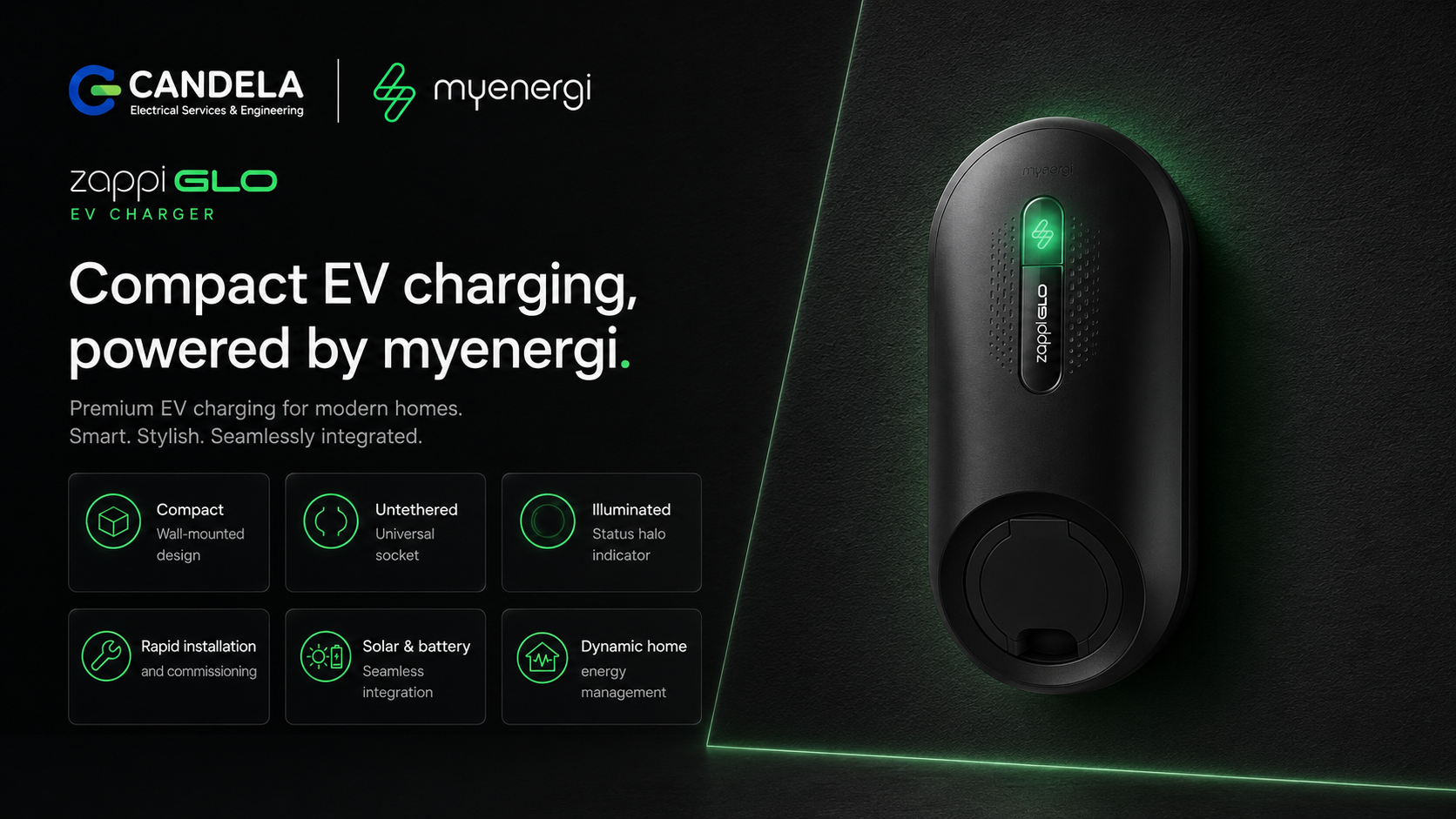
Premium chargers we supply and install across Perth.
View our work
We are one of a handful of Perth based Zappi Product Champions, manufacturer certified to sell, install and service every Zappi generation. It is the solar diverting charger we fit most: free surplus solar straight into the car, full app control, three year warranty.
Get a Zappi quotePlain English
The jargon, decoded.
kW is how fast energy moves, kWh is how much of it you used. A 7 kW charger running for two hours delivers 14 kWh, which is roughly 80 km in most EVs.
Single phase is one active wire, capped around 7.4 kW. Three phase has three actives and can deliver 11 or 22 kW. Check your main switch: three phase boards have a wider main breaker.
The seven pin AC plug used on every EV sold in Australia. Any Type 2 charger works with any Type 2 car, regardless of badge.
An open protocol that lets a charger talk to third party software. Matters for workplaces and strata billing, rarely for a single home.
The charger measures total house draw and throttles itself so the main breaker never trips. Often the cheapest way to avoid a supply upgrade.
CT clamps on the switchboard read what you are exporting and send only that surplus to the car, so nothing is bought from the grid.
Common questions
Answered without the sales pitch.
Do I need a 7kW or a 22kW EV charger at home?+
A 7kW single phase charger adds roughly 40 to 50 km of range per hour. For most Perth households driving 50 to 80 km a day, that is more than enough overnight. 22kW three phase becomes useful when you drive over 200 km most days, run two EVs, or want to top up quickly during the solar window.
Will my switchboard handle a home EV charger?+
Most Perth boards installed in the last decade will. Older boards with ceramic fuses, no main switch, or a shared RCD often need an upgrade before Western Power will let a dedicated EV circuit go in. Our team confirms this from your switchboard photos before we quote.
Can I use a standard powerpoint to charge my EV?+
You can, but it is slow (around 2 kW), it was never designed to run at full load for eight hours a night, and it is the most common cause of house fires linked to EV charging. A hardwired charger on its own circuit with a Type B RCD is the code compliant way to do it under AS/NZS 3000.
Does Candela supply the charger or do I buy my own?+
Either works. We supply Tesla Wall Connector, myenergi Zappi, Fronius Wattpilot, Wallbox, Ocular and EO at trade pricing and install under manufacturer certification. If you have already bought a unit, bring it and we install it the same way.
How long does a home installation take?+
A typical single phase install with a short cable run and a healthy switchboard is done in three to four hours. Longer trenched runs, board upgrades, or three phase conversions push that to a full day.
Do I need approval from Western Power to install an EV charger?+
Any charger over 20 amps has to be notified to Western Power by your electrician, and anything that could push your property past its allocated supply needs approval before it goes in. We lodge that paperwork as part of the job, so you never deal with it. If your supply is limited we set a load limit or fit dynamic load management instead, which usually avoids an upgrade altogether.
What does a home EV charger cost to run in Perth?+
On the Synergy EV Add On overnight rate a 75 kWh battery costs roughly six dollars to fill, versus around twenty two dollars on the standard daytime rate and effectively nothing when you divert excess solar. Charging at home is around a third of the cost of a public DC fast charger.
Should I get a tethered charger or a socket?+
Tethered means the cable is permanently attached, so you walk up, plug in and go. Socketed means you carry your own cable, which keeps the wall unit smaller and lets you swap cable types later. For a single car in a home driveway, tethered wins on convenience nine times out of ten.
Can the charger be installed away from the switchboard?+
Yes. We regularly run cable through roof space, along eaves, in conduit down a side wall, or trenched under a driveway. Distance changes the cable size, not whether it is possible. Long runs are quoted with the correct cable so there is no voltage drop and no derating at the charger.
EV charger installation in Perth, answered
The questions we get asked most by WA homeowners, answered by the electricians who do the work.
Does Western Power need to be notified about my EV charger?+
For a standard single phase 7kW charger on an existing supply, no separate application is usually needed. Your electrician still lodges the required notice of completion with Building and Energy WA. If the install needs a bigger main switch, a service upgrade, or a move to three phase, that does go to Western Power first and it adds time to the job, so we check it before quoting.
Is single phase or three phase more common in Perth homes?+
Most Perth houses are single phase, which caps a home charger at about 7.4kW. Newer estates in areas like Ellenbrook, Baldivis and Canning Vale are more likely to have three phase already at the board, and a lot of older knock down rebuilds get it too. Lift the switchboard cover and count the incoming actives, or send us a photo and we will tell you.
Which Synergy plan is best once I have a home charger?+
Synergy runs time of use options aimed at EV owners with a cheap overnight window and a cheaper midday window built around WA's solar surplus. Charging in those windows rather than the evening peak is where the real savings sit. Check current rates on Synergy's site before switching, because the windows and prices change.
Should I charge from my solar instead of the grid in Perth?+
Usually yes. WA feed in tariffs are low, so exporting midday solar earns you very little while grid power costs several times more. A solar aware charger such as a myenergi Zappi or Fronius Wattpilot watches your export at the switchboard and pushes surplus into the car instead of sending it out for a few cents.
Do coastal Perth suburbs need a different charger?+
If you are in the salt spray zone near the coast from Mullaloo through Scarborough, Cottesloe and Fremantle, outdoor units cop corrosion. We fit chargers rated IP65 or better, use stainless or marine grade fixings, and where possible mount the unit inside the garage with only the tethered lead exposed.
What about summer heat and charger derating?+
Perth summers regularly sit over 40C, and a charger baking in full afternoon sun can throttle its output to protect itself. West and north facing walls are the worst spots. We site the unit in shade or under eaves where we can, which keeps it charging at full rate and extends the life of the electronics.
Can I get a charger installed in a Perth apartment or strata complex?+
Yes, but it is a different job to a house. You need strata approval, a metering plan so the electricity bills back to your lot rather than common property, and often a load managed charger so the building's supply is not overloaded. We put that documentation together for the strata council as part of the quote.
How does a limestone driveway or brick paving affect the cable run?+
Plenty of Perth homes have the switchboard on one side and the parking on the other, with paving or limestone in between. Where we can, we run the cable through the roof space or along the eaves to avoid lifting anything. When trenching is unavoidable we lift and relay pavers rather than cut them, and that extra work is priced up front, not added later.
Are there WA rebates for home EV chargers?+
WA does not currently run a state rebate on home charger installs. The EV rebate scheme that ran on vehicle purchases has closed. The saving comes from the tariff side instead: charging off peak or straight off your own solar. We will not quote a rebate that does not exist.
Who is legally allowed to install an EV charger in Perth?+
A licensed WA electrical contractor. The circuit has to be dedicated, protected by the correct RCD type for the charger, and wired to AS/NZS 3000 with the EV specific requirements of AS/NZS 3012 and the manufacturer's instructions. Candela is licensed under EC# 15317 and fully insured, and you get the compliance paperwork on completion.
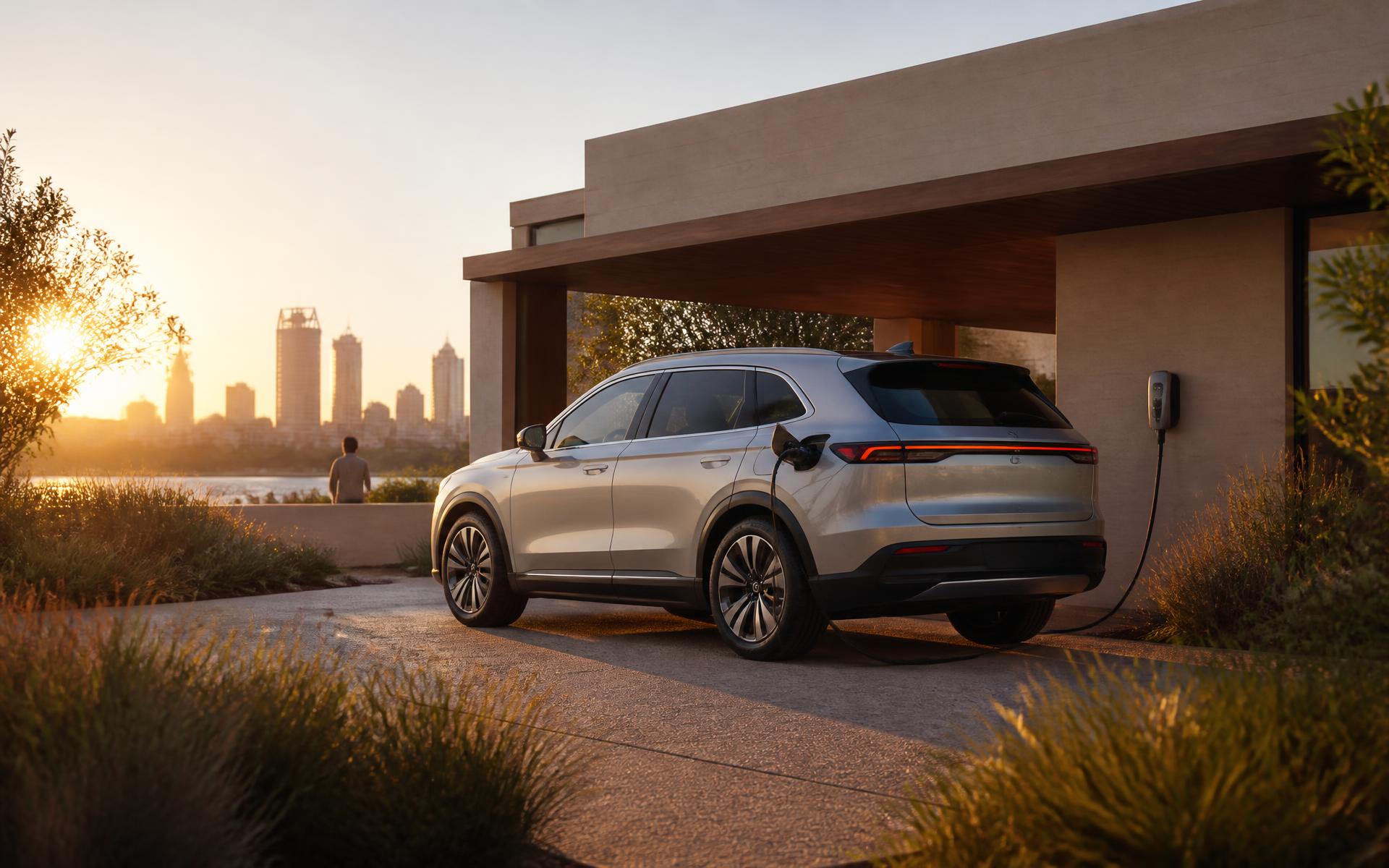
Get your fixed quote today.
Sixty seconds, two photos, fixed price back same day. No sales calls, no site visit fee, no obligation.