
Commercial EV charging without the building upgrade.
Perth offices, apartment complexes and fleet depots. Load managed, OCPP compliant, user pays where it needs to be, and delivered as one contract from cable to cloud.

Start here
Every commercial EV job starts with a load study, not a charger catalogue.
The temptation with commercial EV charging is to pick a shiny bit of hardware and reverse engineer the rest. That is how buildings end up with a $40,000 supply upgrade they did not need, or a fleet of chargers that can only be used one at a time because someone skipped the load calc.
Every project we quote starts with a two week study of your actual base load, your incoming supply headroom, and the diversified demand of the vehicles that will plug in. From that we recommend hardware, not the other way around.
The result is almost always fewer chargers than the customer expected, sharing more supply than they thought possible, running for less than they were quoted elsewhere.
The three pillars
Load management, OCPP, user pays billing.
Almost every commercial charging problem sits inside one of these three areas. Get them right and the system scales cleanly from four cars to forty.
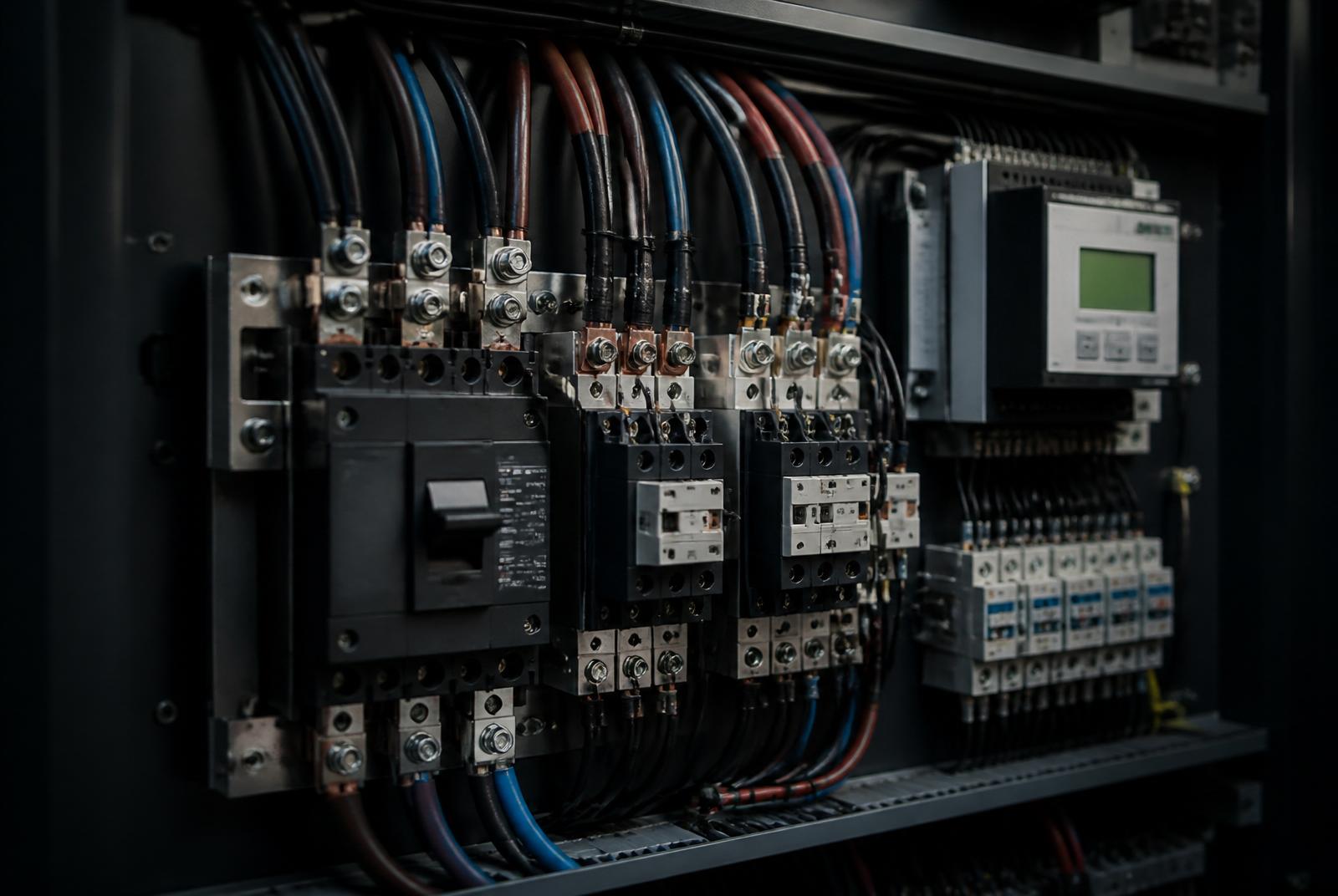
- Dynamic load managementA controller measures the whole building load in real time and dials chargers down before the main breaker even notices. Ten 22 kW chargers can share a 100 A supply without a single trip.
- OCPP 1.6J or 2.0.1The open protocol every real commercial charger speaks. Lets you swap billing platforms, add a second brand of hardware, or migrate to a new operator without ripping cable.
- User pays billingChargefox, Exploren, Ampcontrol or Wallbox Business sit on top. Drivers tap an RFID or scan a QR, get billed, and the building sees the reimbursement inside 30 days.
Hardware options
Six commercial chargers we install regularly.
All are OCPP 1.6J minimum, all support pooled load management, all have a warranty path that does not depend on the original importer still being in business.
Ocular IQ Commercial
Best for
Strata and workplace at the sensible end
7 to 22 kW, OCPP 1.6J, dynamic load balancing across up to 50 chargers, cloud dashboard
EO Genius 2
Best for
Fleet depots with a lot of low kW simultaneous chargers
7 to 22 kW, pooled load management, RFID and app auth, remote firmware
Wallbox Commander 2
Best for
Retail and hospitality user pays sites
7 to 22 kW, front screen, driver auth by RFID or QR, Wallbox Business software
Tesla Wall Connector Gen 3
Best for
Tesla priority workplaces
22 kW, hard native load sharing across 16 units, no monthly fees
Schneider EVlink Pro AC
Best for
Enterprise buildings on Schneider switchgear
7 to 22 kW, pedestal or wall, integrates with EcoStruxure BMS
Kempower Movable
Best for
Bus and truck depots needing DC fast
40 to 400 kW modular DC, dynamic power sharing, weather sealed for outdoor
Strata & apartments
Body corporate approvals, done for you.
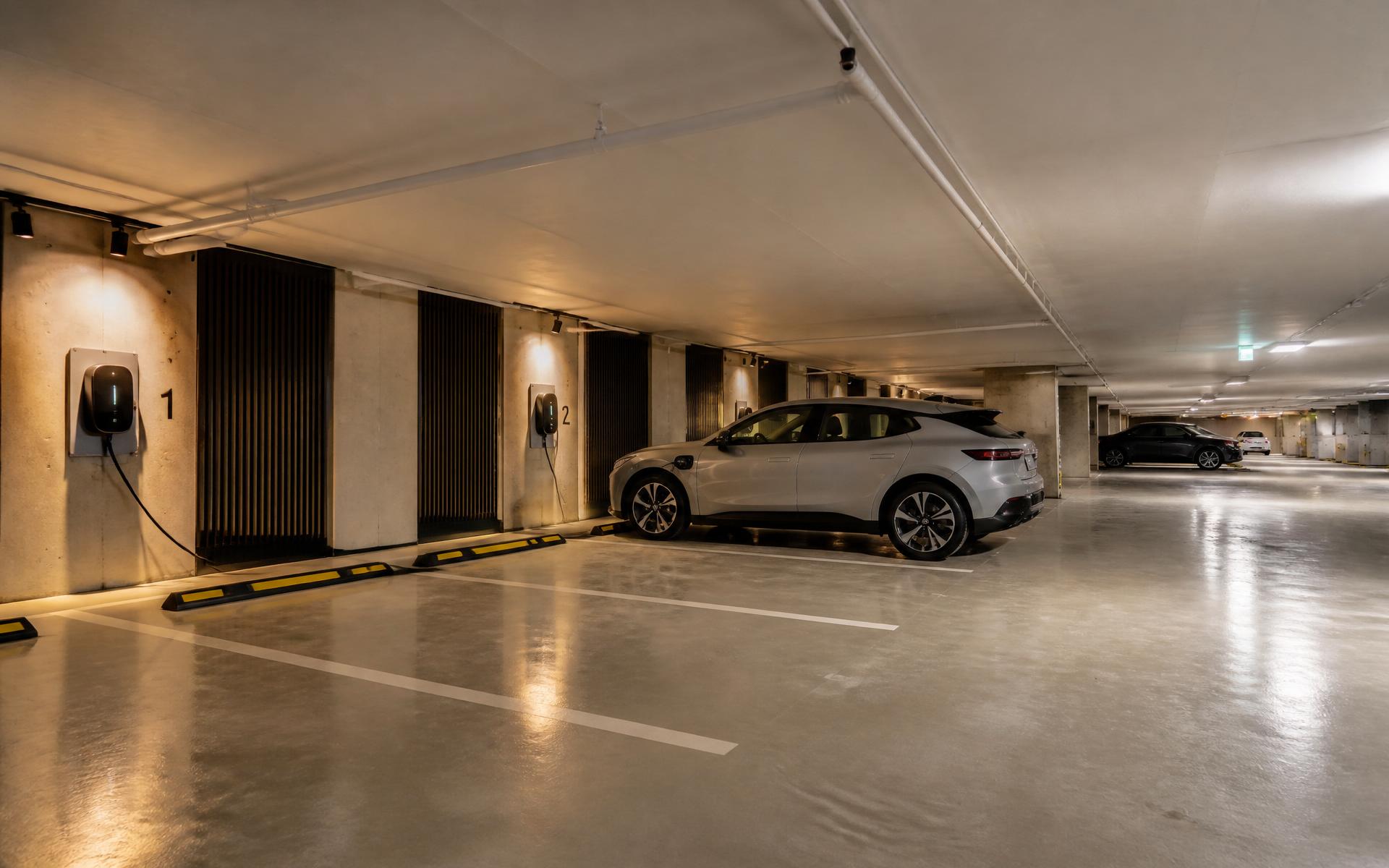
Perth strata boards are cautious for good reason. A single bad install can void the building's electrical certification and land the strata manager in a fight with insurers. We handle the paperwork so the committee has one document to approve, not ten.
- Load study and single line diagram signed by a licensed engineer.
- Proposed common property scope of works and lot owner responsibilities separated cleanly.
- User pays billing model with a sample invoice attached.
- Insurance certificate of currency and EC# 15317 credentials attached.
- One presentation to the committee, one Q&A session, one signed approval.
Fleet economics
Depot charging cuts fuel to about a third.
A ten vehicle fleet doing 40,000 km per vehicle per year saves roughly $56,000 in fuel by switching to overnight depot charging. Even a modest solar array on the depot roof pushes that number higher, and the government's Instant Asset Write Off keeps a lot of the capex on the good side of the tax ledger.
How a commercial rollout runs.
Onsite walk through, meter data pull, base load analysis, driver survey. Written report in five business days.
Single line diagram, hardware selection, body corporate or landlord approval pack, billing platform recommendation.
Cable run, board work, chargers mounted, load controller commissioned, OCPP registered against your billing account.
Driver onboarding session, sample invoice run, maintenance plan started, remote monitoring active.
The chargers we stock, deliver and mount.
Genuine hardware at trade pricing, installed under manufacturer certification and backed by full warranty. Pick one, or let us match it to your car and switchboard.
myenergi Zappi
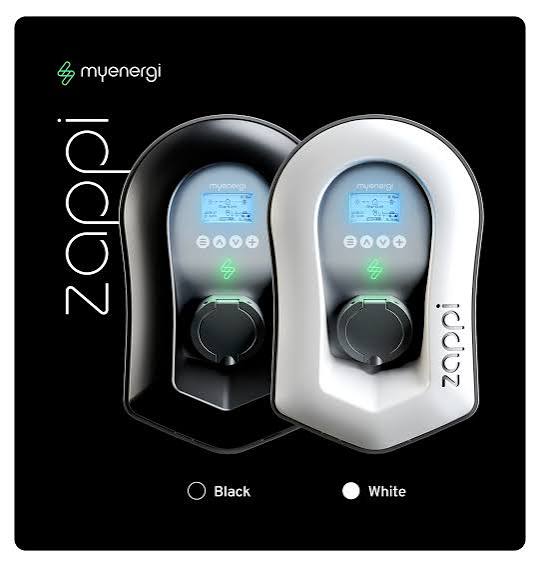
The default pick for any Perth home with solar. Three charging modes, live export tracking, and pairs with eddi for hot water overflow.
- 7.4 or 22 kW
- Eco+ solar-only mode
- 3 year warranty
myenergi Zappi GLO
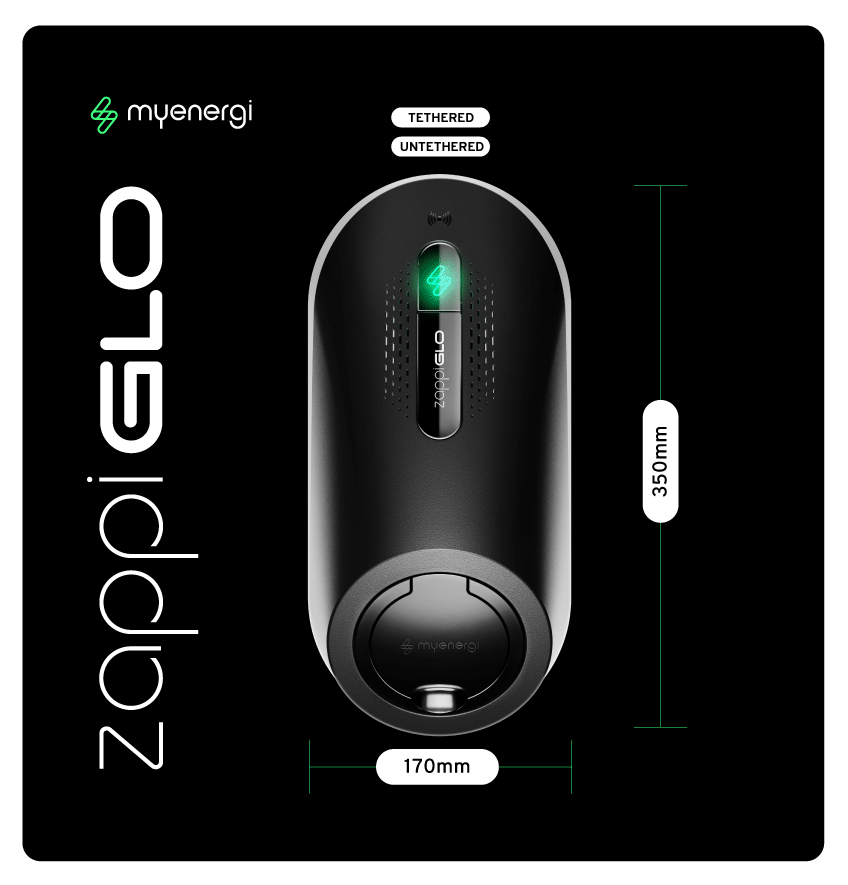
The redesigned Zappi with a status LED halo and larger colour screen. Same solar-diverting brain, cleaner wall footprint.
- 7.4 or 22 kW
- Colour halo status ring
- Full app control
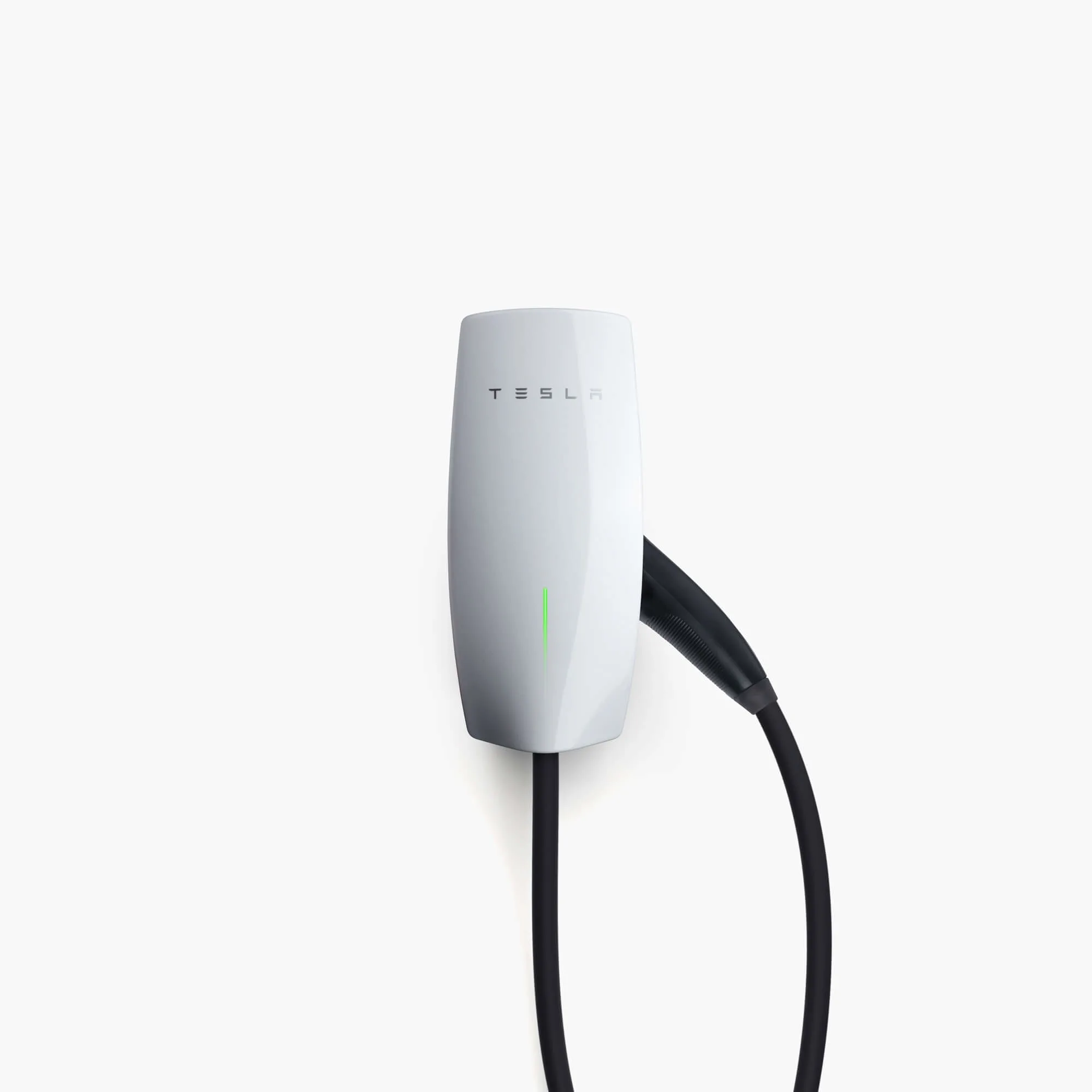
Tesla Wall Connector
The tightest match for a Tesla. Auto-authenticated, over-the-air updates, load shares across up to 16 units. Minimalist white footprint.
- Up to 22 kW
- Native load sharing
- Tesla app pairing
Add-ons
Bolt-ons that make a good install great.
Optional extras we quote alongside the charger. Pick what fits your setup, skip the rest.
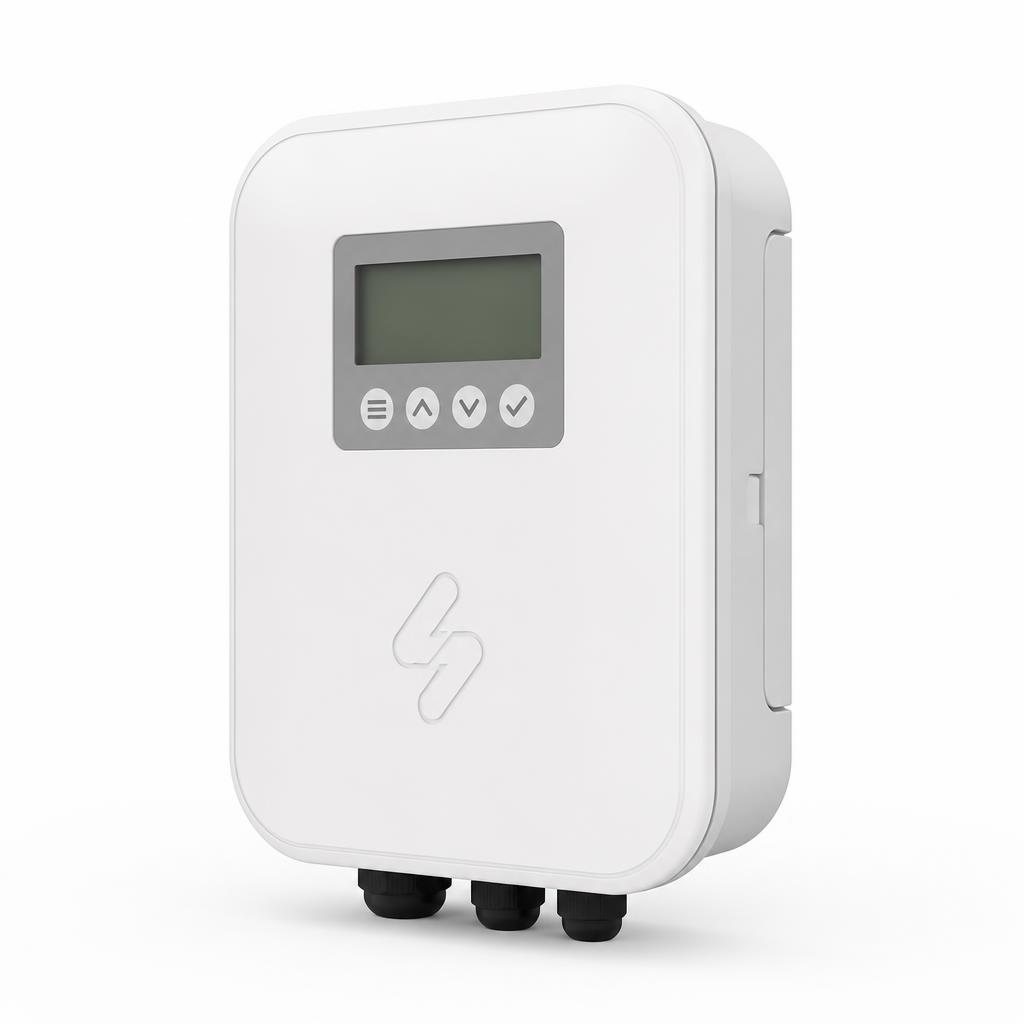
myenergi eddi
Diverts overflow solar into your electric hot water cylinder before it hits the car. Free showers on top of free kilometres.
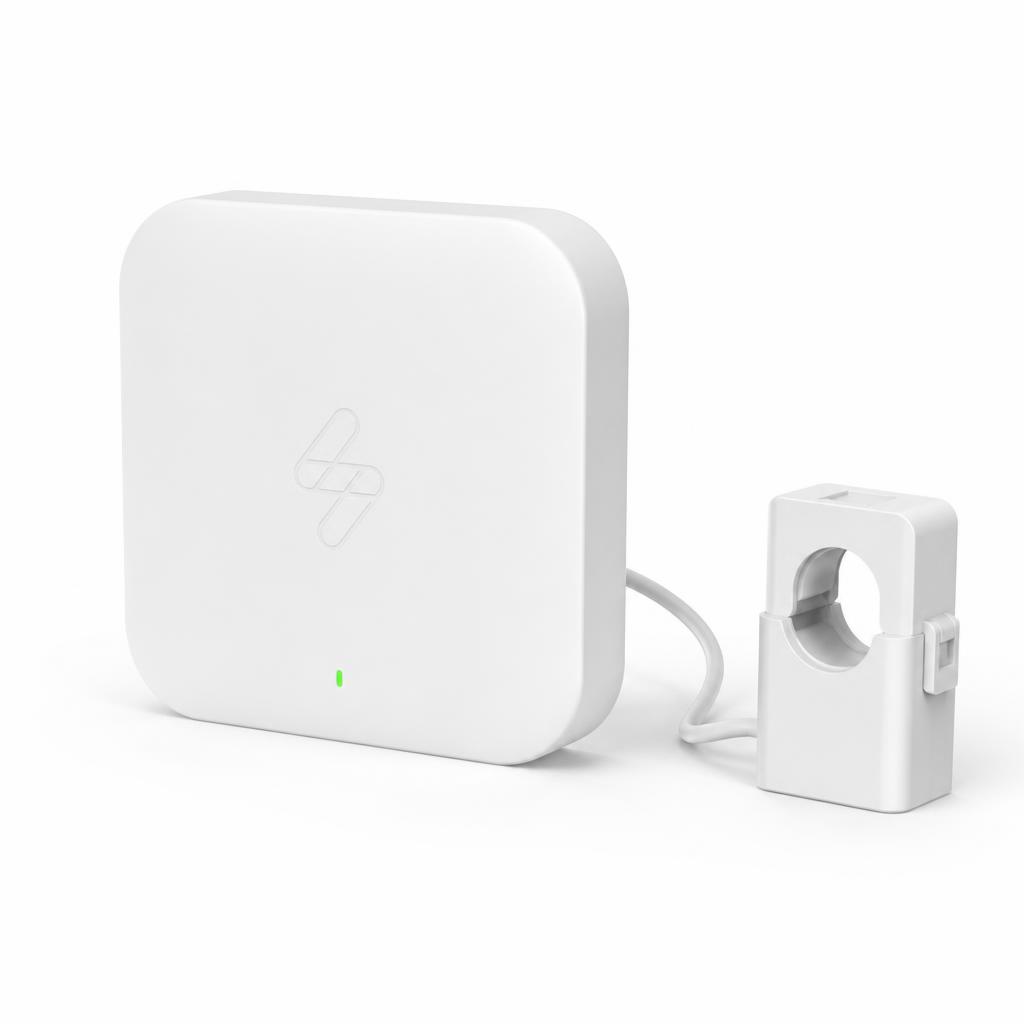
harvi wireless CT
Wireless current sensor for boards where running a signal cable is a nightmare. No batteries, self powered from the clamp.
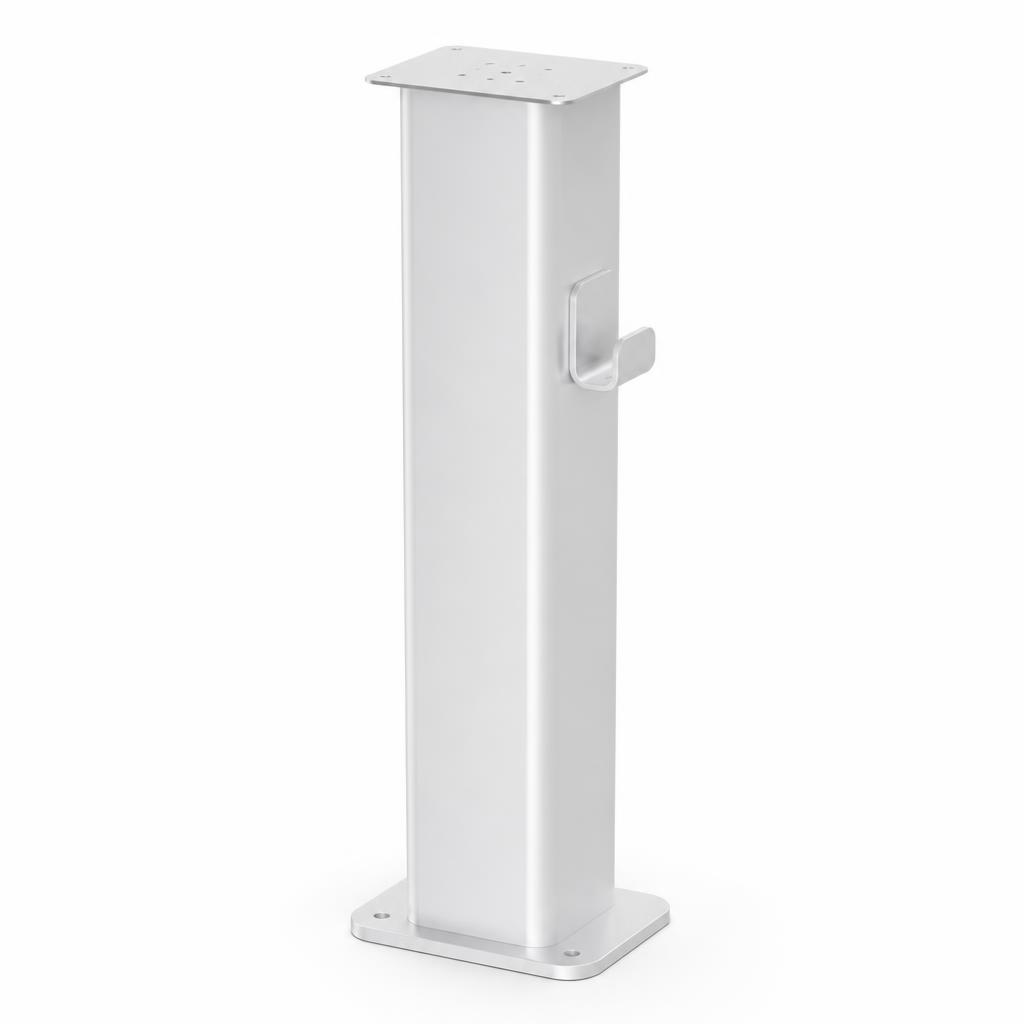
Pedestal mount
Free-standing aluminium post for driveways with no adjacent wall. Bolted to a small concrete footing, cable routed underground.
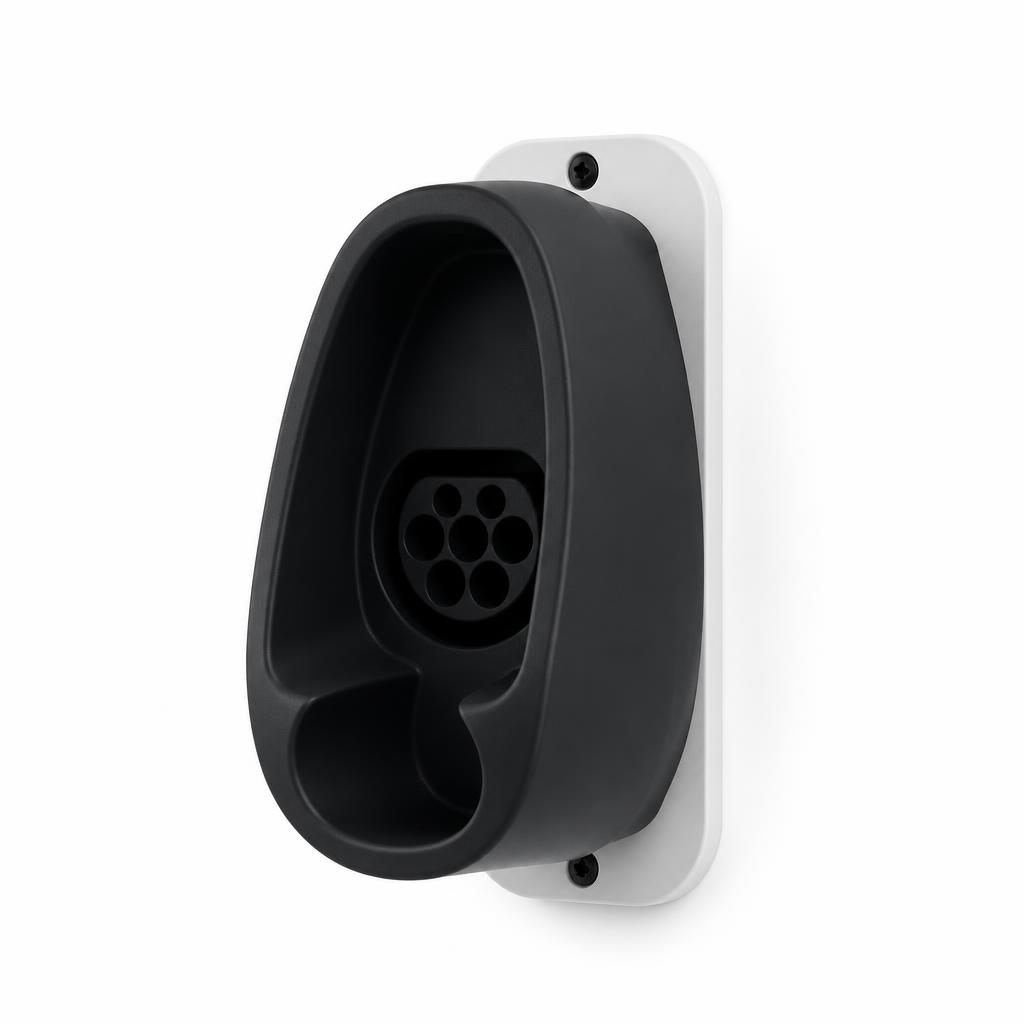
Cable holster
Neat wall dock for the Type 2 plug so it never lives on the concrete. Simple, tidy, keeps the connector dry.
Common questions
Commercial charging, answered.
How does load management stop the building tripping?+
A commercial load controller sits between the incoming supply and every charger. It watches total current draw in real time and automatically dials each charger down when the base building load spikes. Ten cars can share a 60 amp supply without any of them ever hitting the main breaker.
Who pays for the electricity in a strata setup?+
The driver, through user pays software. Every charger runs over OCPP, so each session tags to a driver account, charges their card, and reimburses the body corporate for the exact kWh consumed. No cross subsidy, no billing headaches for the strata manager.
Do we need to upgrade the building supply?+
Often not. Modern load management makes the existing supply go a lot further than most people assume. We map the current base load from your meter data, calculate the diversified charging headroom, and only recommend a supply upgrade if the numbers demand it.
What is OCPP and why does it matter?+
OCPP is the open protocol every serious commercial charger speaks. It lets you pick the billing platform separately from the hardware, so if your software provider goes under or gets too expensive you switch without ripping out the chargers. Anything proprietary locks you in for the life of the equipment.
How long does a commercial rollout take?+
A ten bay strata rollout is usually four to six weeks end to end. Two weeks for the site audit, load study and body corporate approval paperwork. Two to three weeks lead time on the hardware. Three to five days on site for the install and commissioning.