
Solar EV chargers, dialled in for Perth roofs.
Perth exports more solar than almost any city on earth. A solar diverting charger takes the electricity you were about to sell for 2.5 cents and puts it into your car for free.
The Perth story
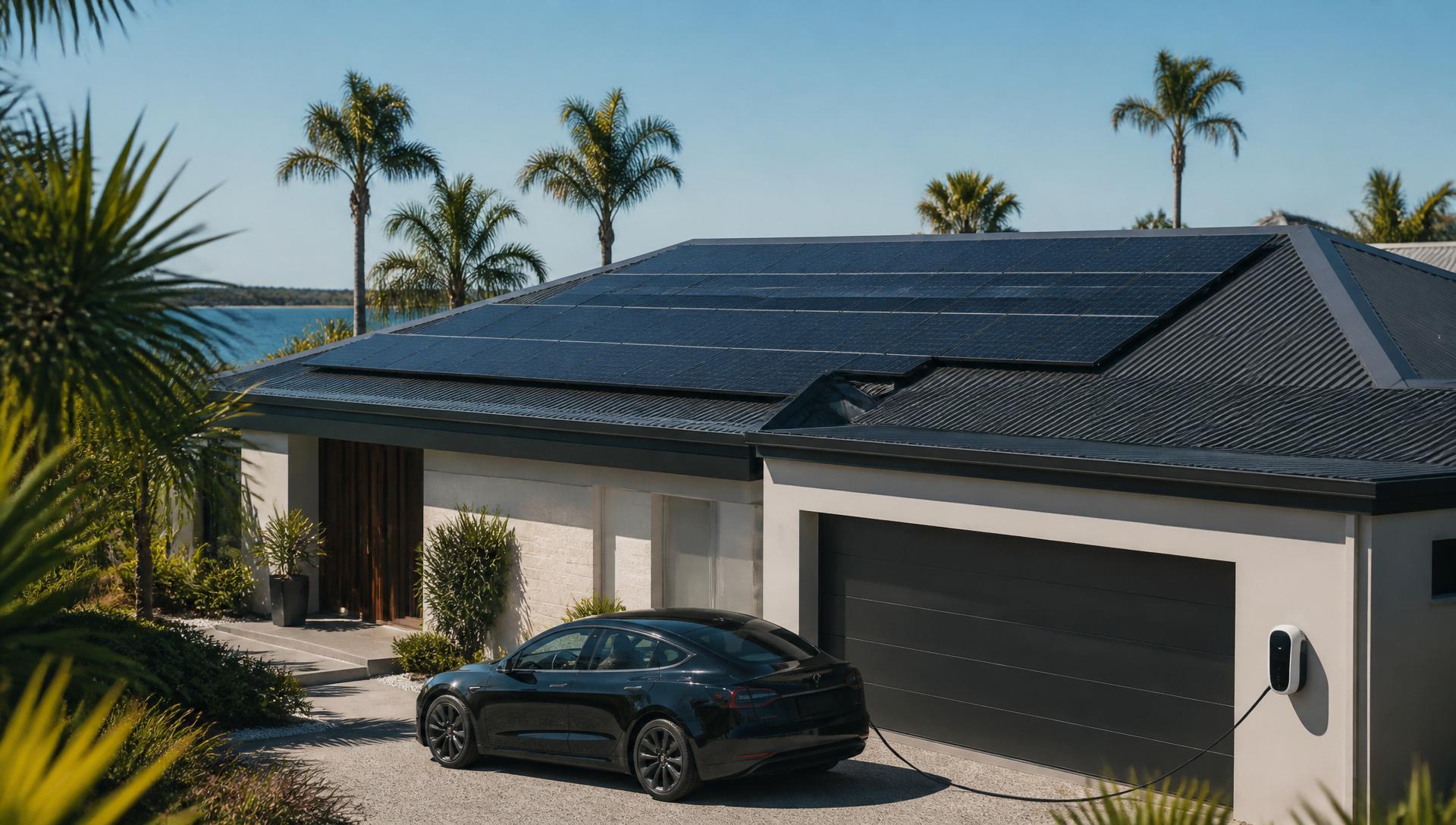
Perth pays you 2.5 cents to give away your solar. Or you can drive on it.
Feed in tariffs across WA collapsed years ago. Synergy pays 2.5 c/kWh for solar sent between 3pm and 9pm, and 10 c/kWh for the rest of daylight. Grid electricity costs you back over 30 c/kWh.
That gap is the entire case for a solar diverting EV charger. Instead of dumping 4 kW of midday export for 40 cents an hour, you route it into the car and displace $1.20 of grid charging. Same electron, thirty times more value.
The clever part is that it happens automatically. Once the charger is commissioned, the car plugs in when it gets home and the algorithm handles everything else.
How diversion works
The CT clamp, the algorithm, and your meter.
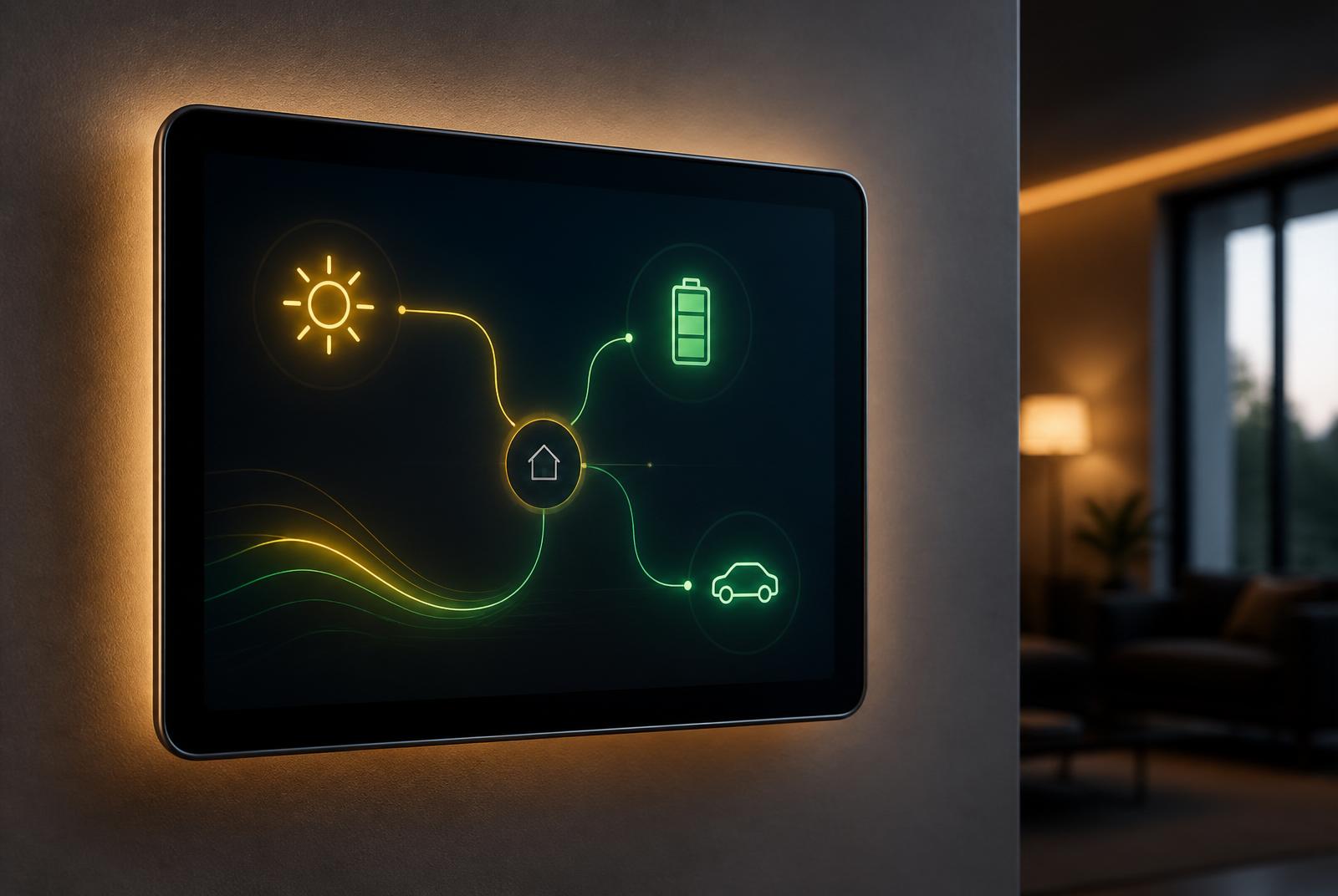
A small clamp goes around the main cable coming into your switchboard from the meter. It reads current every second and tells the charger how many amps are flowing to or from the grid.
- Eco+ modeOnly charges from surplus solar. If your export drops below 1.4 kW the charger pauses and waits for a clear patch of sun. Best for weekend drivers.
- Eco modeUses solar first, tops the rest from the grid at a slow trickle to keep the session running. Best for weekday commuters who need a guaranteed top up.
- Fast modeIgnores solar and just charges at full speed. Useful for road trip mornings and off peak overnight.
The shortlist
Four chargers that actually do solar properly.
Most home chargers advertise a solar mode. Only a handful measure export in real time and modulate output at 1 amp increments. These are the ones we trust.
myenergi Zappi
Best for
The default solar diverting charger in Australia
7.4 or 22 kW, three charging modes, pairs with eddi for hot water diversion
Fronius Wattpilot
Best for
Homes with a Fronius inverter
22 kW, direct inverter link, PV point mode for pure solar charging
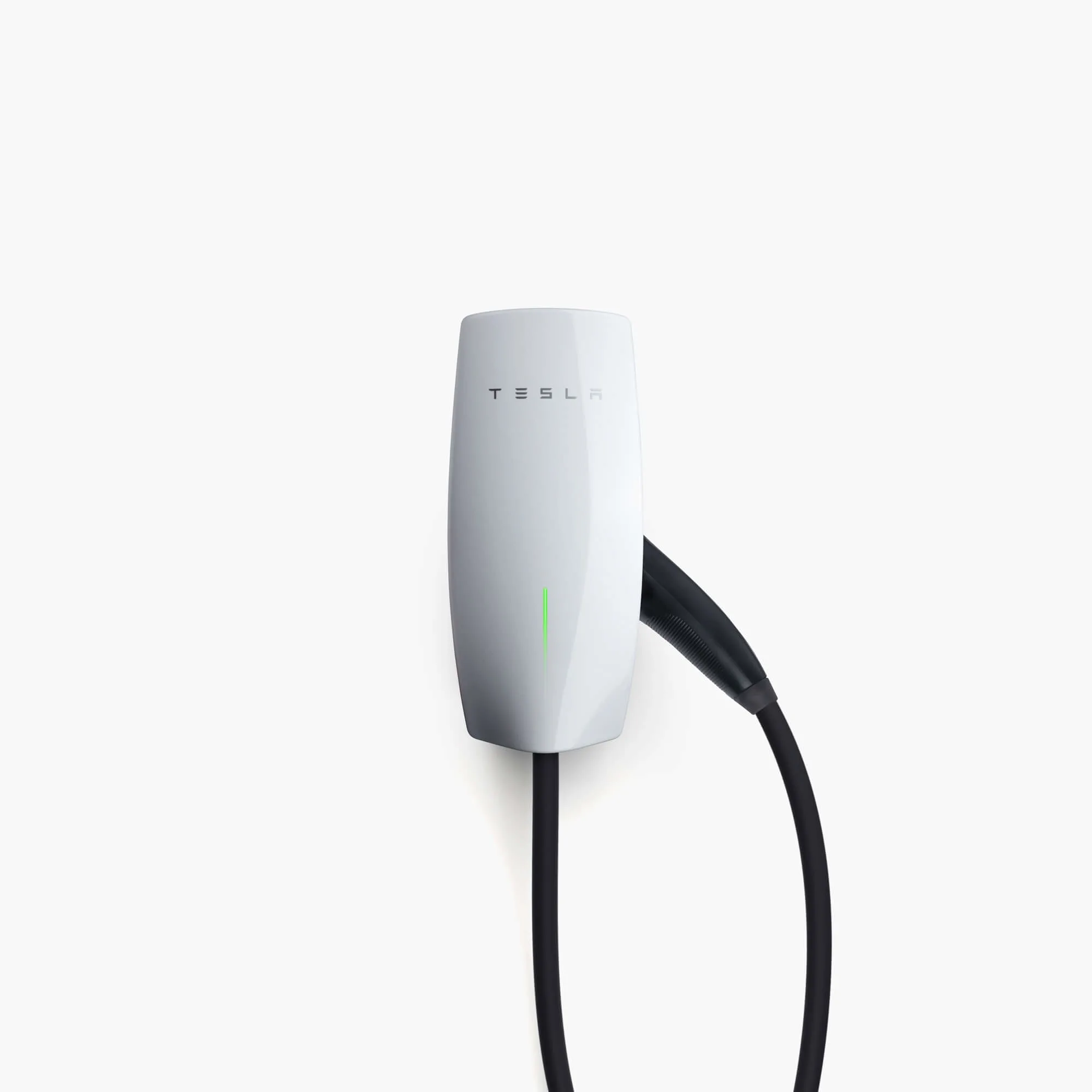
Tesla Wall Connector
Best for
Tesla owners running Powerwall 3
22 kW, no native solar mode but full solar priority through the Tesla app when paired with Powerwall
SolarEdge Home EV Charger
Best for
SolarEdge inverter households
7.4 or 22 kW, integrated into the SolarEdge monitoring app, single dashboard for solar, battery and car

The setup on your day
One switchboard visit, and every future kilowatt hour of sun goes to the car.
The install itself takes about four hours. Most of that is the same work as any hardwired EV charger. The bit that makes it solar smart is the CT clamp: a five minute add on inside the switchboard door.
- CT clamp installed on the main line, wired back to the charger through a signal cable.
- Charger paired with your home wifi so it can pull weather forecasts and time of use tariffs.
- First charge session run with you watching so you understand the three modes and the app.
- Optional hot water diversion configured through eddi if you want overflow heating too.
The economics
What one year of solar charging looks like.
Charge the same 15,000 km from the grid at peak Synergy rates and you spend around $800. From the Synergy EV overnight plan it drops to $215. From surplus solar it costs roughly $70 in lost feed in credits. The charger pays itself off inside two to three years, and the payback keeps compounding as grid prices rise.
The four step solar install.
Answer the online questions and upload two photos, one of the switchboard and one of your solar inverter. Fixed price back the same day.
Fifteen minute call to confirm inverter make, feed in tariff, and where the CT clamp needs to sit.
Charger and CT clamp installed, wired back to the board, commissioned through the app.
We wait for a clear afternoon and run a live diversion test with you before we leave.
The chargers we stock, deliver and mount.
Genuine hardware at trade pricing, installed under manufacturer certification and backed by full warranty. Pick one, or let us match it to your car and switchboard.
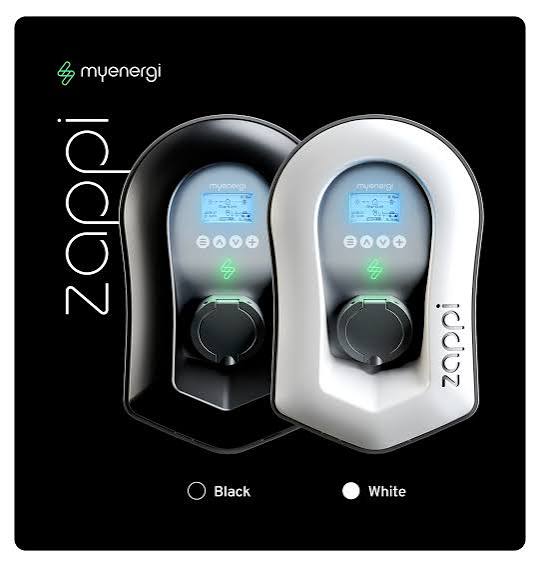
myenergi Zappi
The default pick for any Perth home with solar. Three charging modes, live export tracking, and pairs with eddi for hot water overflow.
- 7.4 or 22 kW
- Eco+ solar-only mode
- 3 year warranty
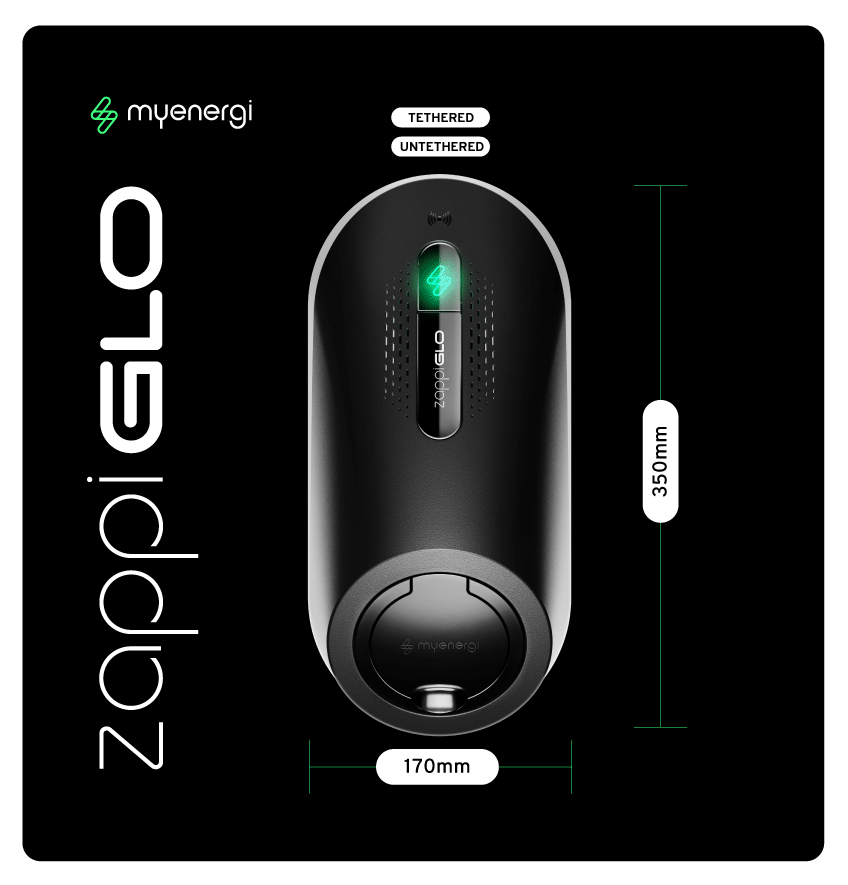
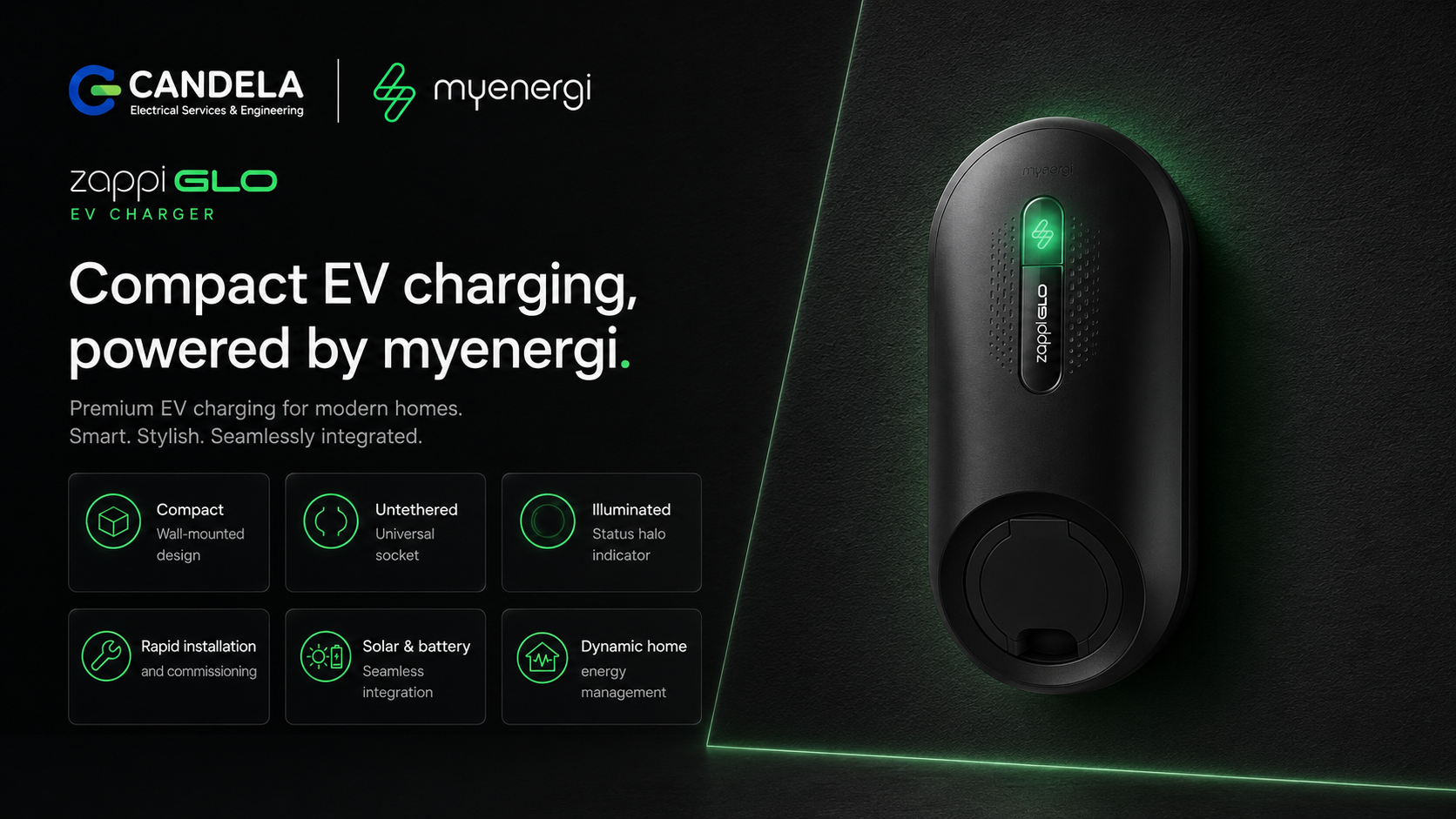
myenergi Zappi GLO
The redesigned Zappi with a status LED halo and larger colour screen. Same solar-diverting brain, cleaner wall footprint.
- 7.4 or 22 kW
- Colour halo status ring
- Full app control
Tesla Wall Connector
The tightest match for a Tesla. Auto-authenticated, over-the-air updates, load shares across up to 16 units. Minimalist white footprint.
- Up to 22 kW
- Native load sharing
- Tesla app pairing
Premium chargers we supply and install across Perth.
View our workCommon questions
Solar and EV charging, answered.
What is a solar diverting EV charger?+
A charger that only pulls the electricity your panels are exporting to the grid. It watches the meter in real time, ramps up when the sun is strong, and pauses when a cloud rolls over. You drive on power you would otherwise sell to Synergy for 2.5 c/kWh.
Do I need a special inverter to run a solar diverting charger?+
No. Zappi and Wattpilot both work with any grid tied inverter because they measure the export at the switchboard, not through the inverter. A CT clamp on your main mains lead is all they need. Fronius Wattpilot does add extra tricks if you already have a Fronius inverter, but any brand of solar works.
How much solar do I need to charge an EV from the sun?+
A 6.6 kW system is the practical minimum for meaningful solar charging. It gives you around 4 kW of headroom after household loads on a sunny Perth day, enough to add 20 to 25 km of range per hour. A 10 kW system gets you closer to full 7 kW solar only charging most of the day.
Can I still charge overnight if there is no sun?+
Yes. Every solar diverting charger has three modes. Eco+ waits for pure solar. Eco tops up from the grid if solar is not enough. Fast just charges at full speed regardless. You set it from the phone app each night, or schedule it to switch automatically.
Should I add a battery as well as a solar EV charger?+
It depends on when you drive. If your car is home in the middle of the day, charge it directly and skip the battery. If it is out at work all day, a Powerwall or Sungrow SBR stores midday solar and pushes it into the car overnight. We spec both options in the free quote.
Read next
The full home charging deep dive: 7kW vs 22kW, brand picks, install day breakdown.
The newest solar smart Zappi and why it is our default recommendation.
The other side of the story: adding a battery so the sun works overnight too.
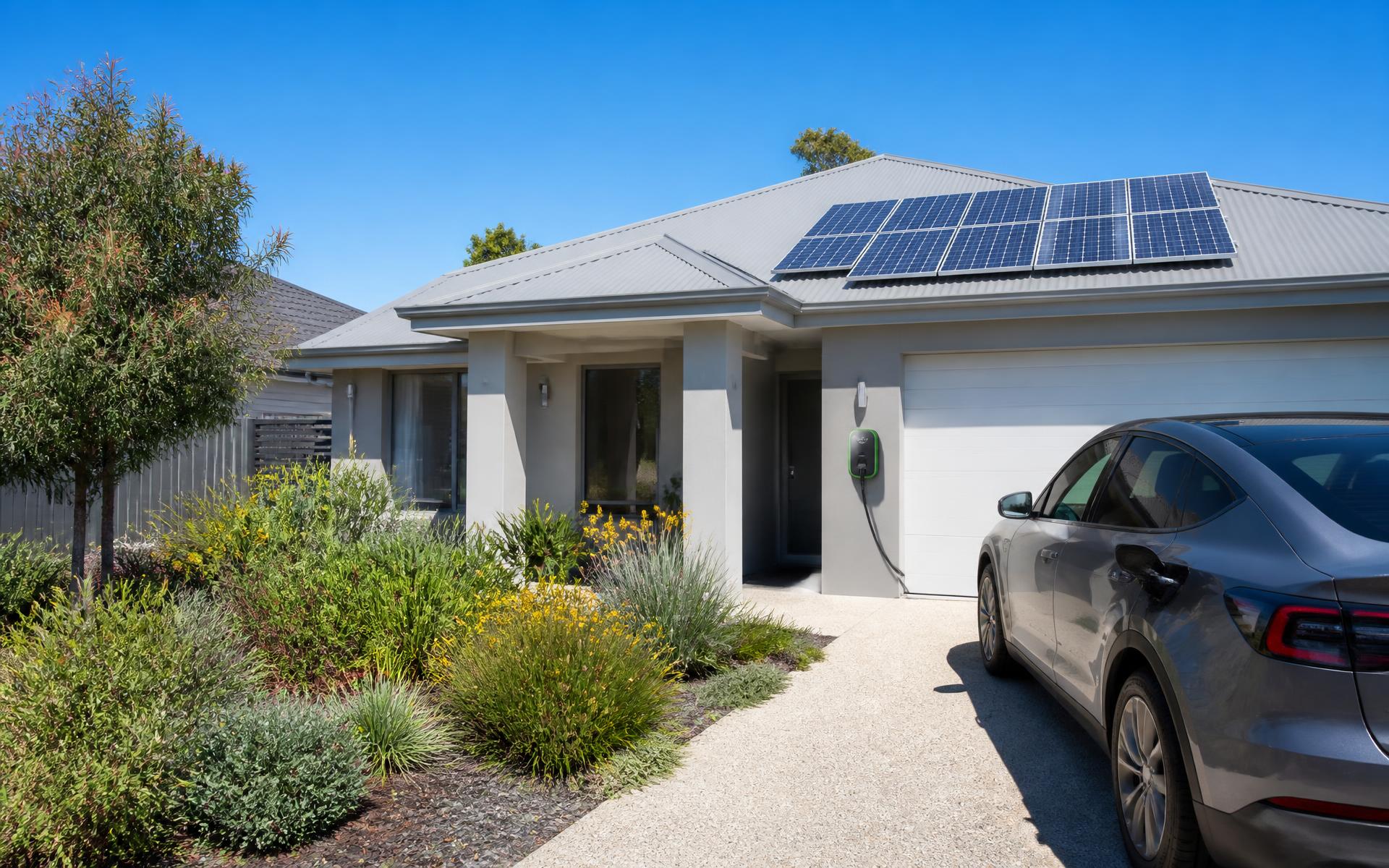
Turn the export credit into free kilometres.
Sixty seconds, two photos, fixed price back same day.