
Vehicle to home charging in Australia: when your EV becomes the battery
Bidirectional charging is finally real in Australia. What V2H and V2G actually do, which cars support it, and whether it is worth waiting for.
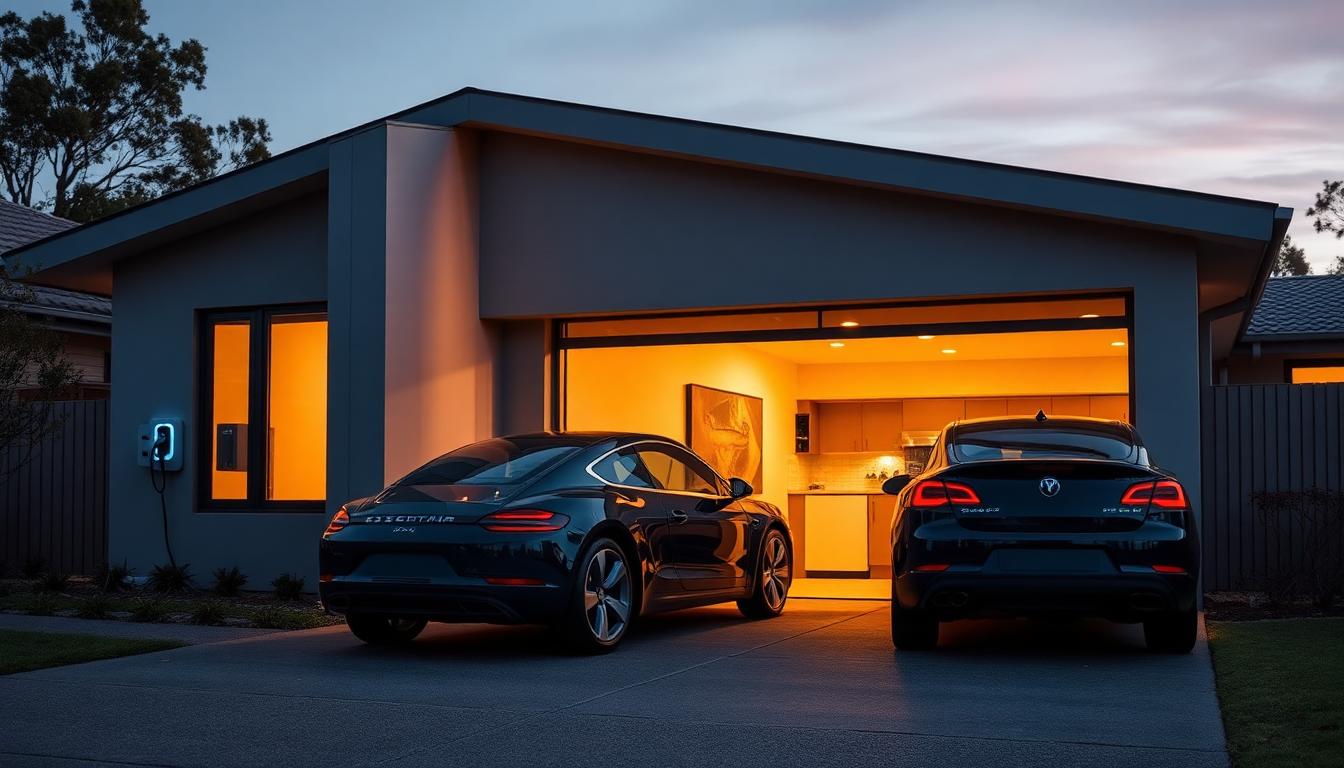
For years the pitch went like this: buy a home battery for $12,000 to store your solar. Meanwhile the average EV sits in the driveway with a 60 to 80 kilowatt hour battery inside it, five to eight times bigger than a Powerwall, doing nothing overnight. Bidirectional charging is the technology that closes that loop, and in 2026 it has properly arrived in Australia.
The three flavours, in plain terms
- V2L (vehicle to load) is a power point on the car. Run a camping fridge, tools on a job site, or the coffee machine during a blackout. Most new EVs from Hyundai, Kia, BYD and MG have it built in. No special charger needed.
- V2H (vehicle to home) lets the car power the house. This needs a bidirectional wall charger and a proper changeover setup at the switchboard so the house safely disconnects from the grid.
- V2G (vehicle to grid) is the same hardware exporting to the street. Your retailer pays you for energy at peak times. This is where the long term money is, but it depends on your retailer and network rules.
What it means for a Perth household
A 60kWh EV battery can run a typical Perth home overnight for two to three days. Air conditioning excluded, a house uses 8 to 15kWh a day. The maths of using the car as the house battery instead of buying a separate one is compelling if the car is home most evenings.
The catch today is hardware choice. Bidirectional chargers are still a short list, and Western Power connection approval adds a step to the install. The good news: the wall units we install now, like the Zappi, sit in ecosystems that are adding bidirectional support, so buying quality gear today does not lock you out.
The fun fact worth knowing
During a South Australian trial, a single EV on V2G earned its owner roughly $1,000 a year in grid services. Not life changing, but that is the electricity bill for the hot water system, paid for by a car that was parked anyway.
Ready to talk it through
Free site visit, fixed price quote.
Send us a couple of photos of your switchboard and where the car parks. Our team will call you back with a firm number, and answer any questions from the article.