
7kW vs 22kW home EV charger: which one actually makes sense
The 22kW number sounds better on the box. For 90 percent of Perth homes, 7kW is genuinely the smarter choice. Here is why.
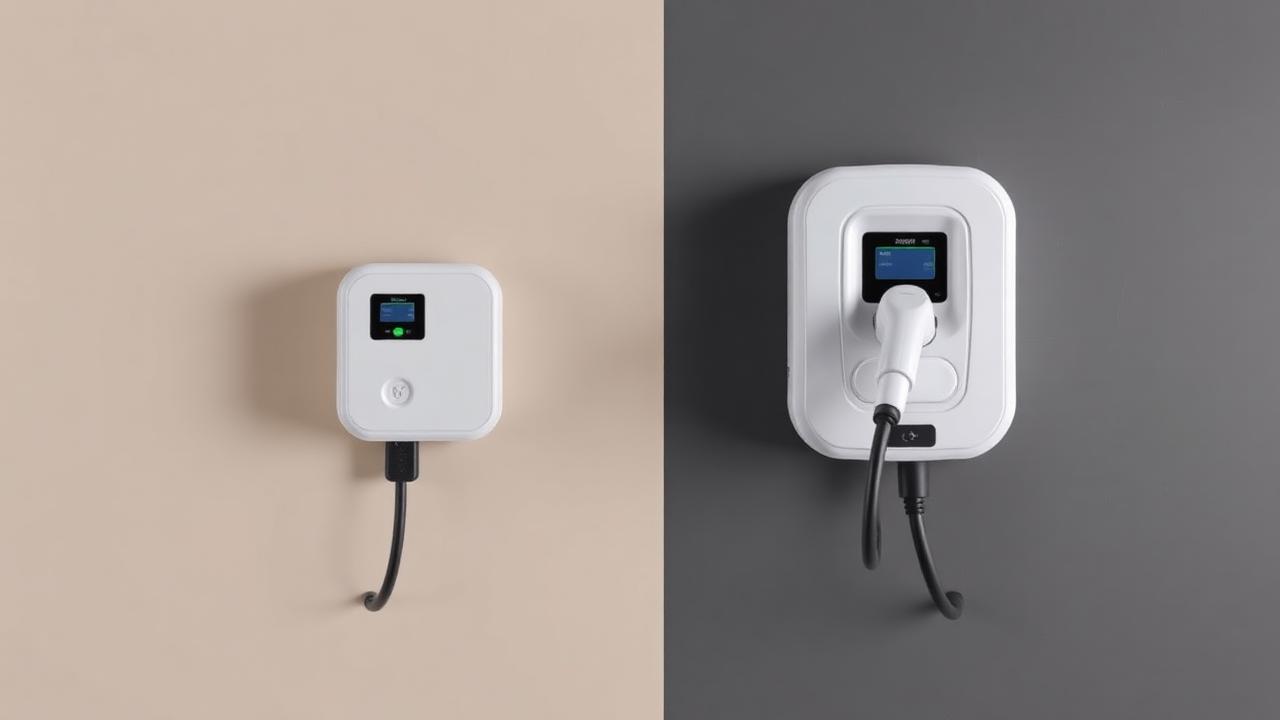
Salespeople love pushing the 22kW number because it makes the unit sound faster and more premium. It is technically both, but in practice it is often the wrong recommendation for a Perth home.
The short version
7kW single phase adds about 40 kilometres of range per hour. 22kW three phase adds about 120 kilometres per hour. Both are massively faster than a granny cable.
But you are asleep for eight hours. In that window, 7kW puts 320 kilometres into the car. That is more than any Perth household drives in a day.
When 22kW is actually worth it
- You already have three phase to the property. Then it is basically free capability, take it.
- You run two EVs and share a single charger between them.
- You do heavy daily driving (long commute + evening rideshare, or you tow regularly).
- The car itself supports fast AC (many EVs cap at 7kW or 11kW on AC regardless of what the wall can supply - check the spec sheet).
When 7kW is the right answer
You are single phase, one EV, normal Perth driving. Upgrading purely to add three phase for the charger will cost $2,000 to $6,000 depending on the street infrastructure and the switchboard. That money is almost never recouped in charging speed you actually needed.
The exception is if you were going to upgrade to three phase anyway for a ducted aircon, a workshop, or a pool heater. Bundle the works.
Ready to talk it through
Free site visit, fixed price quote.
Send us a couple of photos of your switchboard and where the car parks. Our team will call you back with a firm number, and answer any questions from the article.