
The free fuel illusion: what the granny charger is really costing you
That standard three pin plug that came in the boot is not free charging. It is slow, inefficient, and the losses are bigger than you think.
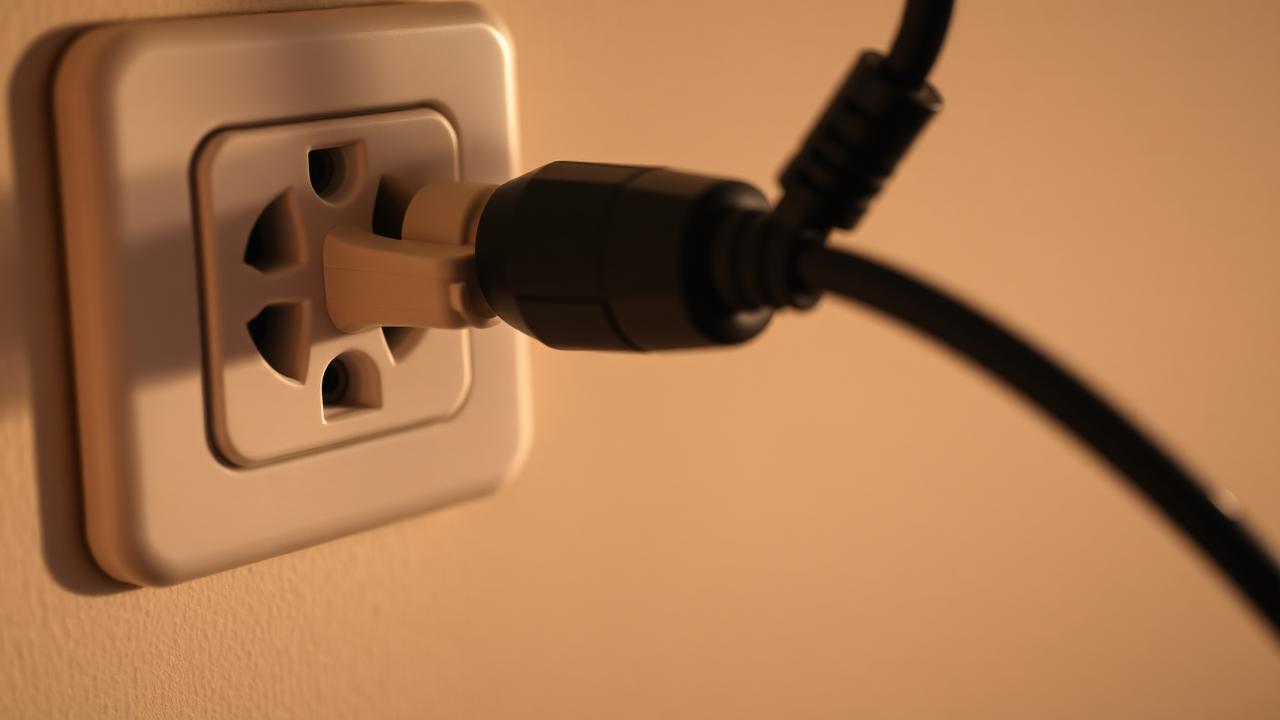
Every new EV lands with a small cable in the boot known as a granny charger. It plugs straight into a standard 10 amp wall socket and trickles about 2 kilowatts into the car. It is not free power. It is the most expensive way to charge you can pick.
The efficiency loss nobody talks about
A car plugged in for 24 hours to move 60 kilowatt hours of energy is running its onboard charger, battery cooling, and computer systems for the entire time. That parasitic draw eats between 10 and 15 percent of the energy before it ever reaches the battery cells.
A dedicated 7.4kW wall unit does the same 60 kilowatt hours in about eight hours. Losses drop to 3 or 4 percent. Across a year of daily charging, that difference is roughly 400 to 600 kilowatt hours of pure waste avoided.
The wall socket itself
Domestic 10 amp GPOs were never designed to run flat out for twelve hours straight. We have opened wall boxes in older Perth homes where the terminals have carbonised and the plastic has started to sag. It is not a common house fire cause, but it is a legitimate one, and it is entirely avoidable.
Any dedicated EV circuit we install is on its own breaker with its own RCD, sized for continuous load, and terminated with lugs rated to the current. That is why the AS/NZS 3000 wiring rules actually prefer it.
Ready to talk it through
Free site visit, fixed price quote.
Send us a couple of photos of your switchboard and where the car parks. Our team will call you back with a firm number, and answer any questions from the article.